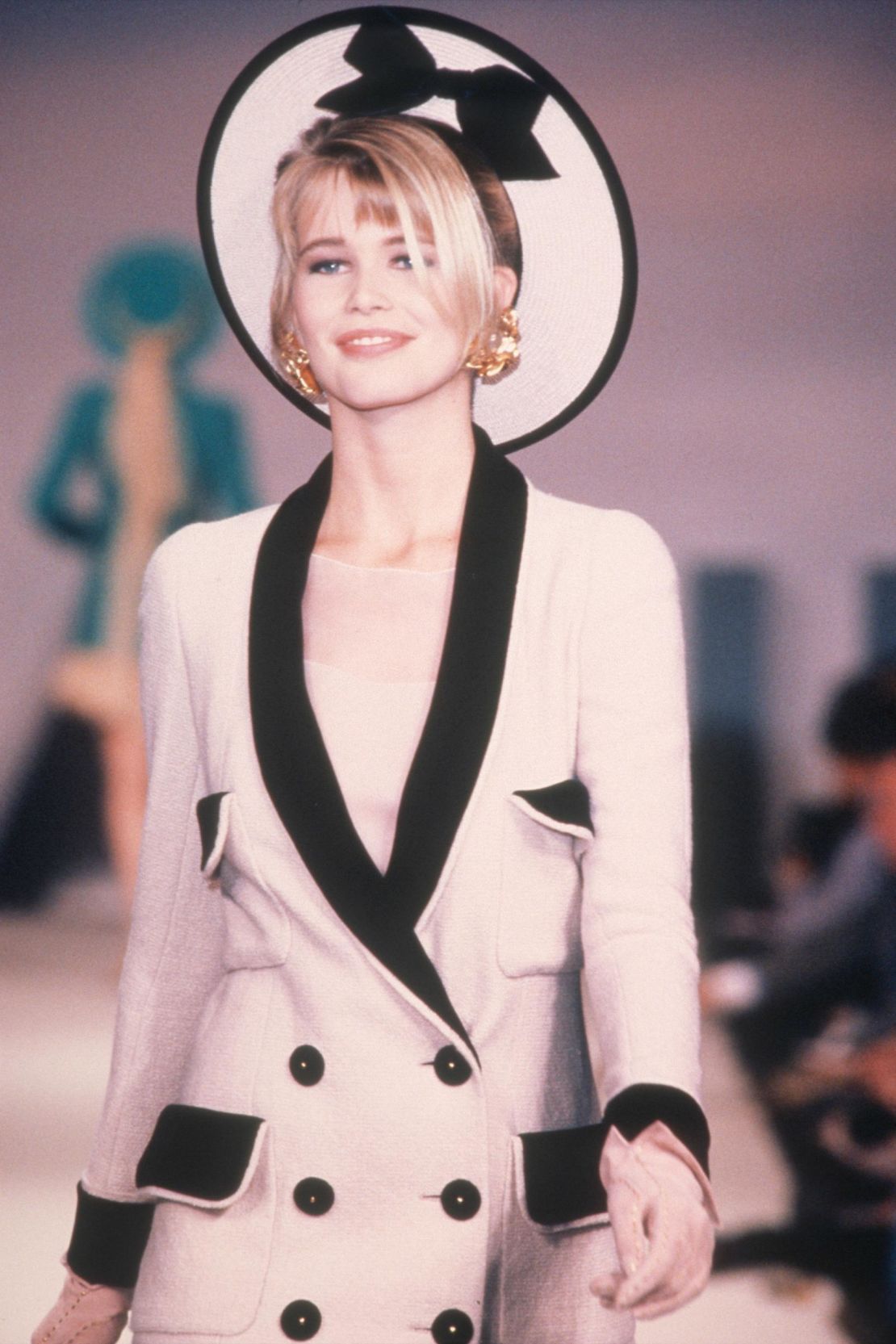
When Karl Lagerfeld took the helm at Chanel in 1983, the renowned French fashion house found itself at a critical juncture. The label, established by the visionary Gabrielle “Coco” Chanel, had entered a phase of decline following its founder’s passing in 1971. Lagerfeld’s task was not merely to revitalize an iconic brand but also to reimagine luxury within a constantly shifting fashion world. With bold creativity, a clever embrace of its legacy, and sharp cultural insight, Lagerfeld’s influence propelled Chanel from a traditional house to a beacon of continuous innovation and worldwide prominence.
Safeguarding and Innovating Legacy
The brilliance of Lagerfeld stemmed from his deep respect for Chanel’s core identity, combined with an audacious spirit for innovation. He famously declared, “My role isn’t to replicate her actions, but to envision what she would have done.” Honoring the brand’s iconic elements—the classic black dress, tweed blazers, padded handbags, pearls, and camellia blossoms—Lagerfeld continuously reinvented them each season with novel, surprising twists. Through daring new interpretations, he maintained Chanel’s enduring allure, guaranteeing that its creations always felt current and never stale.
A prime example is the classic Chanel tweed suit. Under Lagerfeld’s direction, this wardrobe staple evolved far beyond its origins. He played with proportions, introduced new color palettes, incorporated metallic threads, and even rendered the suits in denim, PVC, or leather. The result was a garment that retained its elegance but spoke directly to contemporary women, demonstrating how tradition could coexist with modernity.
Runway Theatrics and Immersive Storytelling
One of Lagerfeld’s most influential contributions was transforming runway shows into immersive spectacles, setting a new paradigm for fashion presentations globally. The Chanel runway became a destination where set designs ranged from an indoor forest to a fully constructed supermarket, a man-made beach, a rocket launch pad, and even a replica Eiffel Tower inside Paris’s Grand Palais. These elaborate productions amplified the brand’s cachet and underscored an imaginative narrative for each collection.
This dramatic methodology transcended simple amusement; it sparked dialogue surrounding every presentation, garnering worldwide media attention and widespread online discussion, ensuring Chanel remained a consistently popular subject each season. These events transformed fashion spectacles into significant cultural occurrences and established Chanel as a leader in experiential branding, an idea now extensively adopted throughout the sector.
Revitalizing the Chanel Product Portfolio
Through clever innovation, Lagerfeld broadened Chanel’s product lines while maintaining its exclusive nature. He breathed new life into the Chanel handbag collection, introducing not only fresh versions of the renowned 2.55 bag but also unique forms and cutting-edge materials. The accessories collection thrived, as brooches, costume jewelry, eyewear, and even athletic shoes all underwent the Chanel metamorphosis. New fragrance releases and cosmetic advancements further extended Chanel’s attractiveness to younger and more varied consumer groups.
The prosperity of these expansions was evident in the company’s financial results. During Lagerfeld’s leadership, Chanel maintained its position as one of the globe’s most lucrative luxury brands, regularly leading in desirability ratings and showing strong resistance to market volatility and rivalry from new luxury brands.
Cultivating Celebrity and Brand Ambassadors
Lagerfeld understood the power of celebrity in shaping brand perception. He cultivated strong relationships with film stars, musicians, socialites, and models, with the likes of Vanessa Paradis, Kristen Stewart, Cara Delevingne, Lily-Rose Depp, and Pharrell Williams frequently appearing in campaigns or on the front rows of shows. This strategic engagement extended Chanel’s influence beyond fashion, embedding it firmly within popular culture.
Moreover, Lagerfeld himself became synonymous with Chanel. His iconic personal image—white ponytail, dark glasses, high-collared shirts—became instantly recognizable, blurring the lines between creator and creation. The result was an indelible linkage: to talk about Chanel was inevitably to discuss Lagerfeld, reinforcing his role as the guardian and visionary of the maison.
Adjusting to Cultural and Digital Progress
As digital transformation started to redefine the high-end retail industry, Lagerfeld spearheaded Chanel’s move into the digital era. Despite the brand’s well-known reluctance towards e-commerce for a long time to preserve its exclusive image, its powerful digital narratives, significant social media footprint, and captivating visual campaigns guaranteed that Chanel stayed both inspiring and reachable through online channels.
Lagerfeld’s challenging essence manifested in his collections, which tackled modern topics—such as feminism, environmentalism, or global interconnectedness—with finesse and cleverness. His adoption of a varied group of models (while adhering to haute couture conventions) suggested a broader perspective for the label without compromising its fundamental character.
Legacy: Sustaining Relevance Through Innovation
Karl Lagerfeld’s influence on Chanel is evident not just in the collections he presented, but also in the continuous reinvention structure he put in place. The brand’s unique contradiction—lasting heritage combined with constant innovation—guaranteed that Chanel was never constrained by its own history, but rather energized by it. His leadership created a model for established fashion houses seeking to maintain peak creativity and appeal during periods of swift change.
During Lagerfeld’s extraordinary period at the helm, Chanel transformed into a vibrant, dynamic entity that honors its history while forging ahead. His enduring impact shapes how designers approach the reinterpretation of tradition and the definition of contemporary sophistication, positioning Chanel as a continuously developing emblem of opulence and pioneering spirit.


:max_bytes(150000):strip_icc()/VWH-GettyImages-2168531818-3e0c9a6c46fe445ab049a4daf639baa5.jpg "How To Incorporate Glycolic Acid Into Your Skincare Routine, According To The Experts")