

Gabrielle Bonheur “Coco” Chanel, whose birth occurred in 1883 in Saumur, France, ascended from modest origins to establish herself as a transformative personality within the fashion industry. Having been orphaned early in life and brought up in a convent, Chanel’s initial encounters profoundly influenced her understated style and autonomous character. Her moniker, “Coco,” stemmed from her short-lived singing profession in cabarets, where she entertained French military personnel. These developmental periods not only instilled in her a strong sense of perseverance but also fueled her unique method of reimagining women’s attire.
Chanel’s Rise to Prominence in the Fashion Sector
Coco Chanel began her journey in the fashion world as a hat maker, establishing her initial boutique in Paris during 1910. Her hat designs swiftly captured the interest of Parisian ladies due to their understated yet sophisticated appeal, a stark departure from the elaborate headwear prevalent at the time. By 1913, she broadened her reach to Deauville and Biarritz, locations where her concept of comfortable, functional attire for women truly materialized. In contrast to the restrictive corsets and voluminous layers that impeded movement, Chanel pioneered knitwear, jersey material, and athletic-inspired styles, thereby freeing women both physically and fashionably.
Iconic Contributions and Innovations
Central to Chanel’s enduring legacy are her groundbreaking innovations, which profoundly altered notions of beauty and femininity. She famously introduced the “little black dress,” now considered an essential item in any wardrobe. Its initial appearance in 1926 in American Vogue hailed the garment as a universal uniform for women across all social strata and preferences, thereby democratizing fashion and epitomizing sophisticated simplicity.
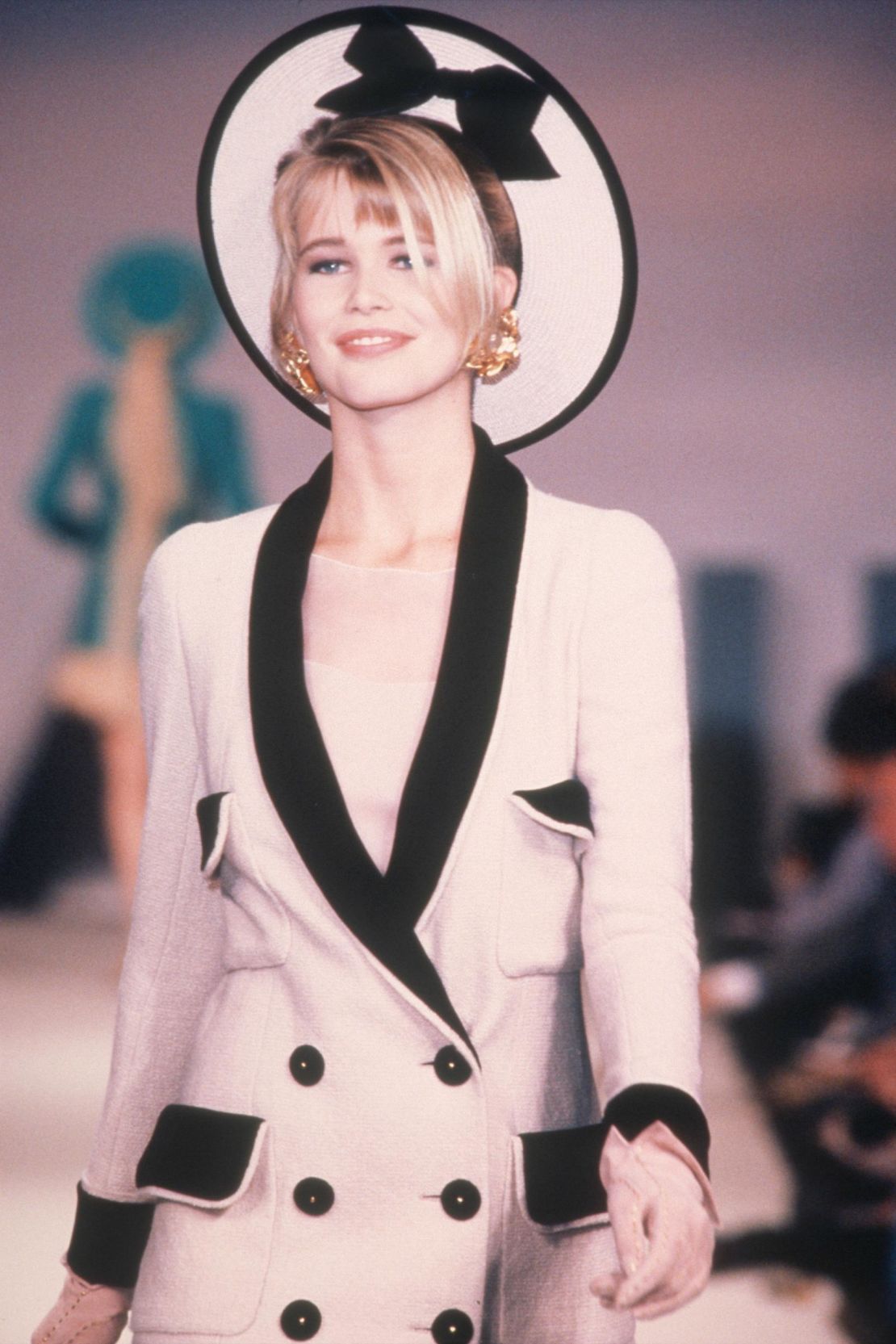
Chanel revolutionized women’s fashion by introducing the Chanel suit in 1925. This iconic ensemble, characterized by its collarless jacket and coordinating skirt, frequently crafted from tweed, did away with constricting boning and incorporated comfortable linings. The suit defied traditional gender expectations and quickly became a symbol of contemporary sophistication, gracing the wardrobes of prominent personalities such as Jacqueline Kennedy and Princess Diana.
A Lasting Impact on Fashion and Modeling
Another cornerstone of Chanel’s legacy is her revolutionary fragrance, Chanel No. 5. Introduced in 1921, this was among the first perfumes to bear a designer’s name. Blending over eighty ingredients, its abstract, aldehydic composition departed from traditional single-flower scents, symbolizing luxury and independence. The scent’s widespread popularity was further immortalized by Marilyn Monroe, who famously declared she wore nothing to bed but a few drops of Chanel No. 5.
Her legacy also elevated costume jewelry, using imitation pearls, glass, and gold-tone metals alongside genuine jewels, making fashionable accessories accessible to a broader audience. Layers of necklaces, cuffs, brooches, and her iconic interlocking “CC” logo have become visual shorthand for sophistication.


:max_bytes(150000):strip_icc()/VWH-GettyImages-2168531818-3e0c9a6c46fe445ab049a4daf639baa5.jpg "How To Incorporate Glycolic Acid Into Your Skincare Routine, According To The Experts")

