
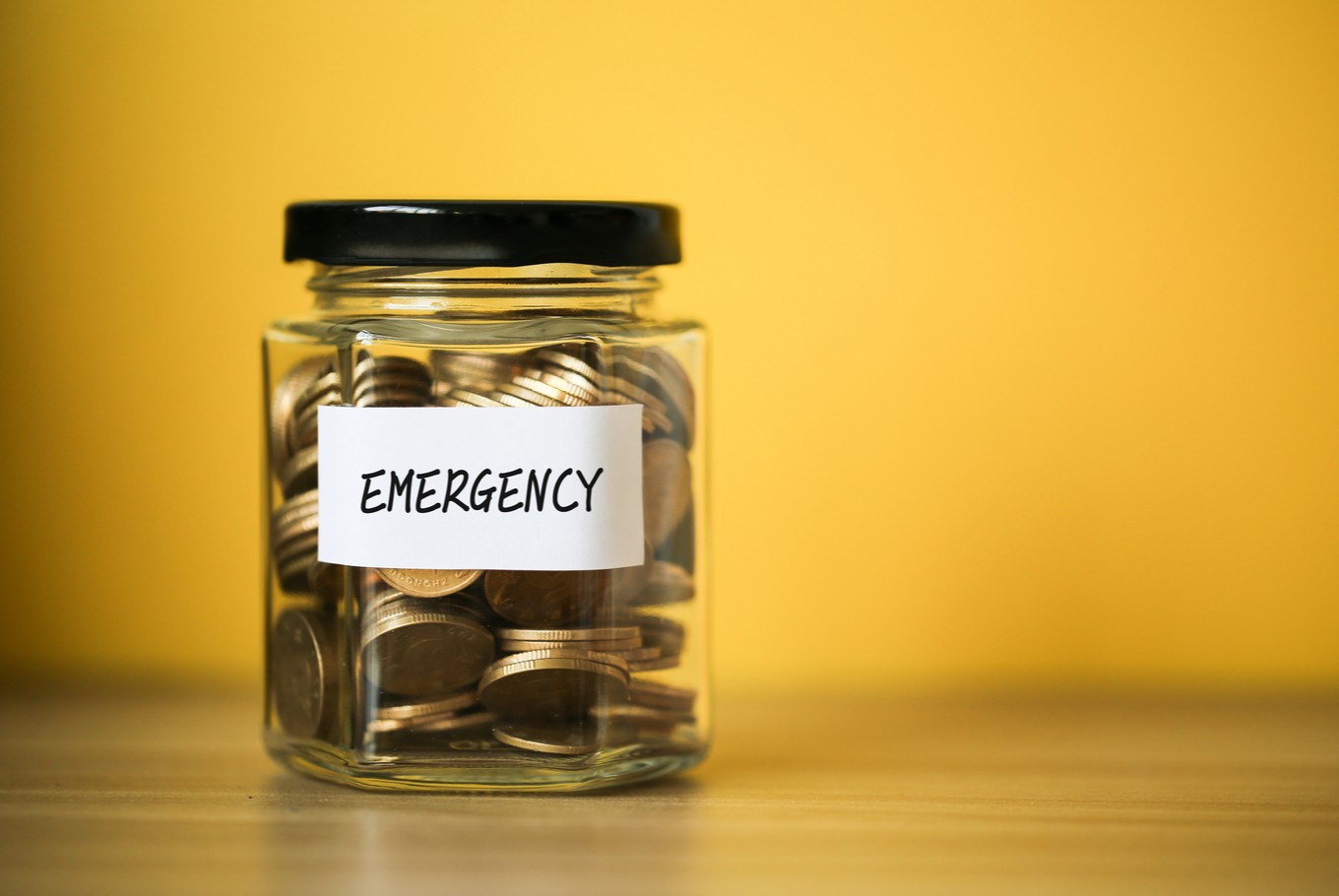

Financial stability is a goal sought by many individuals across different backgrounds and ages, yet achieving it requires foresight, discipline, and strategic planning. One crucial element underpinning long-term financial well-being is the emergency fund. For countless people, questions may arise: Why prioritize an emergency fund when there are debts to repay, investments to make, or immediate desires to fulfill? The response lies in the fundamental role this fund plays in guarding against the unpredictability of life.
What Constitutes an Emergency Fund?
An emergency fund refers to a specific reserve of easily accessible cash, often kept in a highly available savings account. Its primary aim is to provide for unexpected costs or financial gaps due to unforeseen circumstances. Examples encompass abrupt unemployment, large medical bills not paid by insurance, immediate necessary home or vehicle repairs, or other unforeseen emergencies.
Financial specialists frequently advise putting aside funds equivalent to three to six months of living costs. This amount might differ depending on employment security, the number of dependents, and other individual situations. The main idea stays the same: this reserve should be sufficient to protect a person or household from typical challenges without needing to rely on high-interest loans or liquidating long-term assets.
Main Factors for Keeping an Emergency Savings
1. Protection Against Income LossJob loss or reduction in income can occur without warning. Whether it is the result of an economic downturn, company restructuring, or unexpected health complications, a loss of income may jeopardize one’s ability to meet monthly obligations such as rent, utility bills, food, and loan payments. Having an emergency fund provides a financial buffer, allowing affected individuals to continue meeting essential expenses while searching for new opportunities or undergoing retraining.
Example: Amidst the worldwide pandemic of 2020, countless individuals encountered layoffs or job suspensions. People who had a strong emergency fund encountered much less anxiety and possessed greater leverage in job searches, unlike those who had to seize the first job opportunity just to get by.
2. Evading Debt with High Interest Rates Unexpected costs frequently result in using credit cards, short-term loans, or other borrowing methods that carry high interest. Although these financial products provide immediate help, the accumulating interest and charges can ensnare borrowers in a debt cycle, quickly worsening financial difficulties. Having a contingency fund significantly decreases or removes the necessity for such borrowing, safeguarding credit scores and reducing financial harm over time.
3. Health and Security Assurance Health emergencies can arise unexpectedly. Urgent medical treatments or extensive dental work, for example, might incur expenses not fully covered by insurance. Having quick access to funds guarantees prompt medical attention, alleviates stress, and protects the family’s financial well-being in challenging moments.
4. Reduced Stress and Improved Decision-MakingFinancial uncertainty is a common source of anxiety and interpersonal conflict. The peace of mind offered by an emergency fund allows individuals to face adversity with a calm, strategic mindset. The psychological advantage of knowing there is a safety net in place cannot be overstated. Without immediate pressure, decisions can be made rationally, with long-term advantages in mind rather than short-term survival dictating choices.
5. Preservation of Investment Portfolios and Long-Term GoalsIn the absence of an emergency fund, one might be forced to liquidate investments prematurely. Selling assets when markets are down not only crystallizes losses but also interrupts the compounding growth essential for long-term wealth accumulation. A dedicated emergency reserve helps you keep investment vehicles intact, ensuring that retirement goals and other major objectives remain on track.
Setting Up and Overseeing Your Emergency Savings
Building an emergency fund can seem daunting, especially for those with limited means or multiple financial obligations. However, the process can be broken down into manageable steps.
Begin Modestly, Maintain Consistency: Regular, even minimal, monthly deposits can grow significantly over time thanks to the effect of compounding and maintaining regularity. Setting up automatic transfers into a dedicated savings account assists in reducing the urge to spend funds that are meant for saving.
Segregation of Funds: It is vital to keep emergency funds distinct from regular spending accounts to avoid accidental depletion. Access should be easy in genuine emergencies but not so convenient that the money gets used for non-urgent wants.
Periodic Review: When life situations shift—like getting married, becoming a parent, or buying a house—it’s important to reevaluate and modify the emergency fund. Expenses can increase without warning; frequent assessment makes sure the fund stays adequate for evolving requirements.
Real-World Scenarios and Success Stories
Analyze the situation of a family with two earners residing in an urban area. Both individuals have occupations that are affected by economic fluctuations. By following a disciplined savings strategy, they gradually build an emergency fund that covers half a year of necessary costs. After some time, one partner loses their job due to a series of corporate downsizings. The emergency savings mitigate the financial impact, allowing them to handle mortgage obligations, insurance, and regular expenses without resorting to debt or affecting their children’s education. Additionally, the partner who remains employed can concentrate on securing an appropriate job without rushing into less desirable positions.
Another example is a young business owner encountering a sudden decline in their company due to changing market trends. Thanks to an emergency reserve set aside in more prosperous times, the entrepreneur can adjust their approach and fund essential innovation, rather than quickly turning to high-interest borrowing or closing down too soon.
Data from various financial literacy surveys consistently demonstrate that individuals with readily available emergency funds are less likely to forgo necessary medical attention, fall behind on housing payments, or descend into debt spirals. More broadly, communities with higher rates of emergency savings are better equipped to weather local disasters, contribute resources to collective challenges, and rebound resiliently.
The Importance of Emergency Savings
An emergency fund stands at the intersection of prudence and empowerment. It offers practical protection from unforeseen setbacks, while enabling confident pursuit of goals and aspirations. By insulating day-to-day security from the volatility of circumstance, an adequately maintained reserve fosters both financial strength and psychological well-being. Although its benefits may not be tangible in calm periods, the true value of an emergency fund emerges fully during moments of crisis—turning potential catastrophes into manageable detours and unlocking a life of greater resilience and peace.