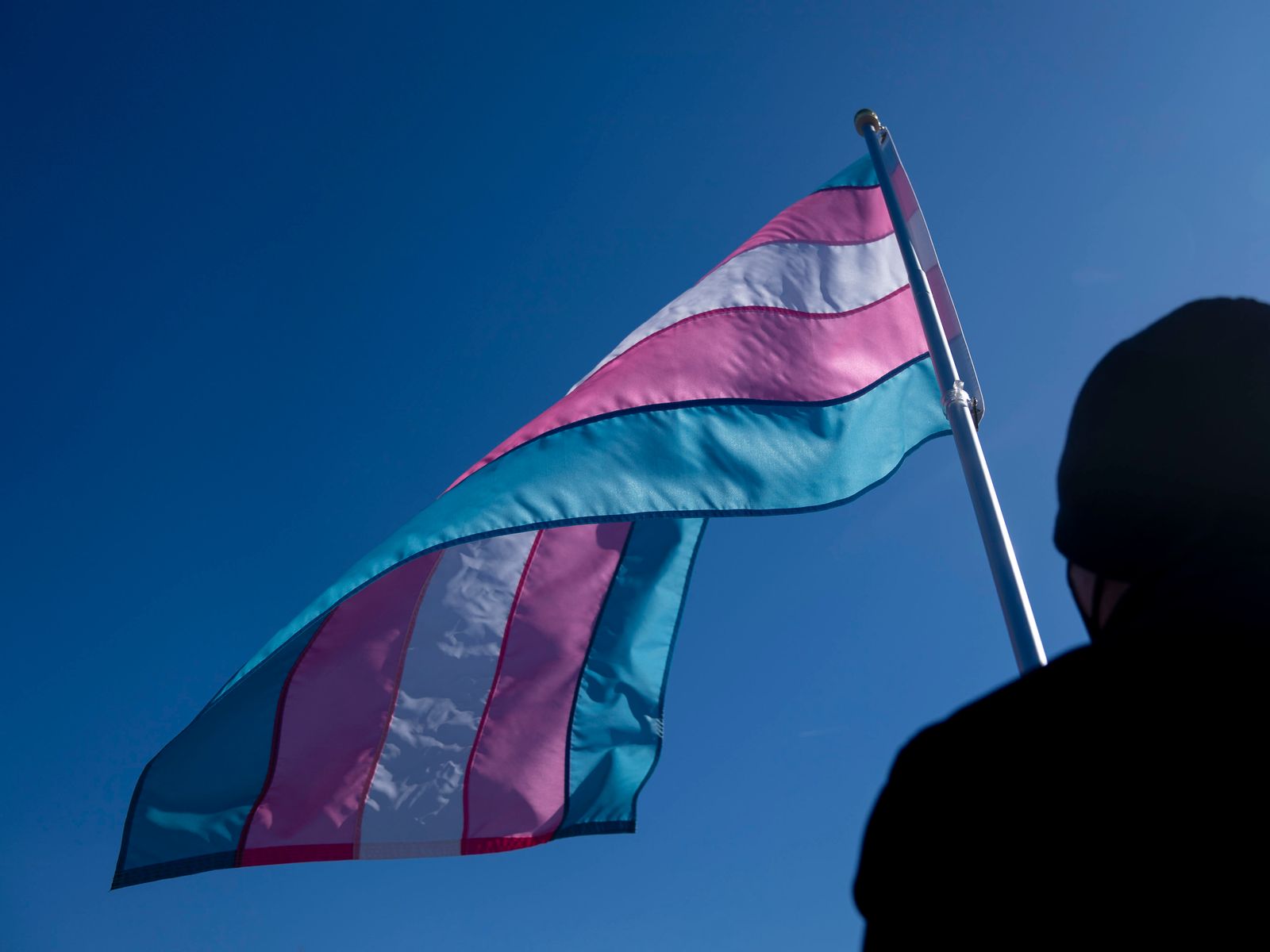

An American transgender woman has taken legal action after Dutch authorities refused her application for asylum. The case is drawing attention not only because of its personal implications but also due to its broader relevance in discussions surrounding human rights, gender identity, and the treatment of LGBTQ+ individuals seeking protection in Europe.
The lady, whose name is kept confidential for privacy concerns, found asylum in the Netherlands, claiming that going back to the United States would subject her to bias and potential dangers due to her gender identity. She argues that although there are legal protections in the U.S., transgender people still encounter systemic challenges and intentional aggression, resulting in a hazardous atmosphere for members of the community.
The Dutch immigration system, however, rejected her claim, reasoning that the United States is considered a safe country where LGBTQ+ rights are legally protected. Authorities maintain that asylum is generally intended for individuals fleeing countries where persecution is sanctioned or where the government cannot provide adequate protection. This stance forms the basis of the ongoing dispute, as the applicant argues that legal frameworks do not always translate into actual safety or equality.
Supporters of transgender rights contend that the case highlights a major deficiency in understanding what defines safety and protection. They point out that legally acknowledging rights doesn’t necessarily remove social antagonism, bias, or violence, which continue to be major issues for transgender people globally. Various studies and human rights organizations’ reports indicate that transgender individuals face significantly elevated levels of harassment, hate crimes, and social ostracism, even in nations deemed progressive.
The anticipated legal proceedings aim to delve into the complexities, especially concerning whether requests for asylum can be based on societal conditions instead of exclusively legal evaluations. Specialists indicate that the verdict may establish a significant precedent, possibly affecting upcoming asylum cases for LGBTQ+ individuals from nations labeled as “safe.”
The case also raises questions about the broader responsibilities of European nations in offering refuge to vulnerable populations, even when those populations come from democracies with formal protections in place. Advocates emphasize that safety should be measured by lived experience rather than just constitutional guarantees.
As the legal process continues, the case underscores a lasting conflict in global asylum regulations: finding equilibrium between upholding rigorous standards for asylum qualification and adapting to changing perceptions of genuine threat and oppression. The ruling is expected to ignite additional discussion concerning the connection between human rights, gender identity, and global protection systems.
For now, the woman remains in the Netherlands awaiting the next phase of her legal battle. Her case serves as a powerful reminder that legal protections, while essential, are not always sufficient to guarantee genuine safety and equality for marginalized communities.