

The movie The Social Network from 2010, crafted by director David Fincher with a screenplay by Aaron Sorkin, transcends being a mere biography of Facebook’s inception. Positioned in the digital era, it illustrates the complexities of technology’s impact, the transformation of interpersonal connections, and the moral dilemmas found within our increasingly intertwined world. Understanding the significance of The Social Network in the present involves delving into its subjects, actual historical roots, and the changing digital environment.
Digital Entrepreneurship and the Cult of Innovation
At its core, The Social Network dramatizes the origin story of Facebook, embodying the digital era’s archetype: the college drop-out genius who upends traditional industries. The film crystalizes how the early-2000s tech boom transformed dorm rooms into breeding grounds for billion-dollar startups. Mark Zuckerberg’s relentless drive, as portrayed by Jesse Eisenberg, mirrors Silicon Valley’s culture of innovation, where audacious ideas—amplified by code—can reshape not just economies but the fabric of human interaction.
The movie portrays how the internet era expanded access to opportunities while also creating a new group of elites: individuals with the technical expertise and foresight needed to leverage extensive networks. The portrayal of Ivy League universities as breeding grounds for technological innovation is rooted in fact. Data from Crunchbase and AngelList highlight that many unicorn startups were launched by founders who attended prestigious universities, thus supporting the narrative presented in the film.
Redefining Friendship and Social Dynamics
The phrase, “Reaching 500 million friends comes with its share of adversaries,” highlights a core contradiction of the digital age. Social media sites, with Facebook being the most prominent, have profoundly transformed the idea of friendship. The Social Network explores the conflict between genuine personal connections and online interactions. The personal breakdown between Zuckerberg and Eduardo Saverin, who co-founded the company with him, illustrates how technology can simultaneously foster and undermine trust.
Case studies accentuate this: An Oxford Internet Institute report observed that while the average Facebook user might have hundreds of online connections, meaningful offline relationships remained stagnant or even declined, illustrating Dunbar’s number theory. The narrative power of the film is in how it mirrors this paradox—highlighting not just growth in social networks, but the cost at an individual level.
Morality, Possession, and the Online Gold Fever
The question of intellectual property haunts the film, embodied in the legal battles between Zuckerberg, the Winklevoss twins, and Saverin. This dramatization echoes broader trends in digital innovation: the tension between collaborative creativity and ruthless competition. The movie is a window into a world where the race to claim ownership supersedes traditional ethical boundaries.
The film’s legal conflict highlights recurring themes in the tech industry, seen in cases like Google vs. Oracle or Snapchat’s beginnings, which emphasize ongoing debates about coding, concepts, and recognition. These disputes are not just narrative elements but symbolize a digital economy that frequently values rapid growth and market leadership above moral principles and fairness.
Narratives of Alienation in a Hyperconnected World
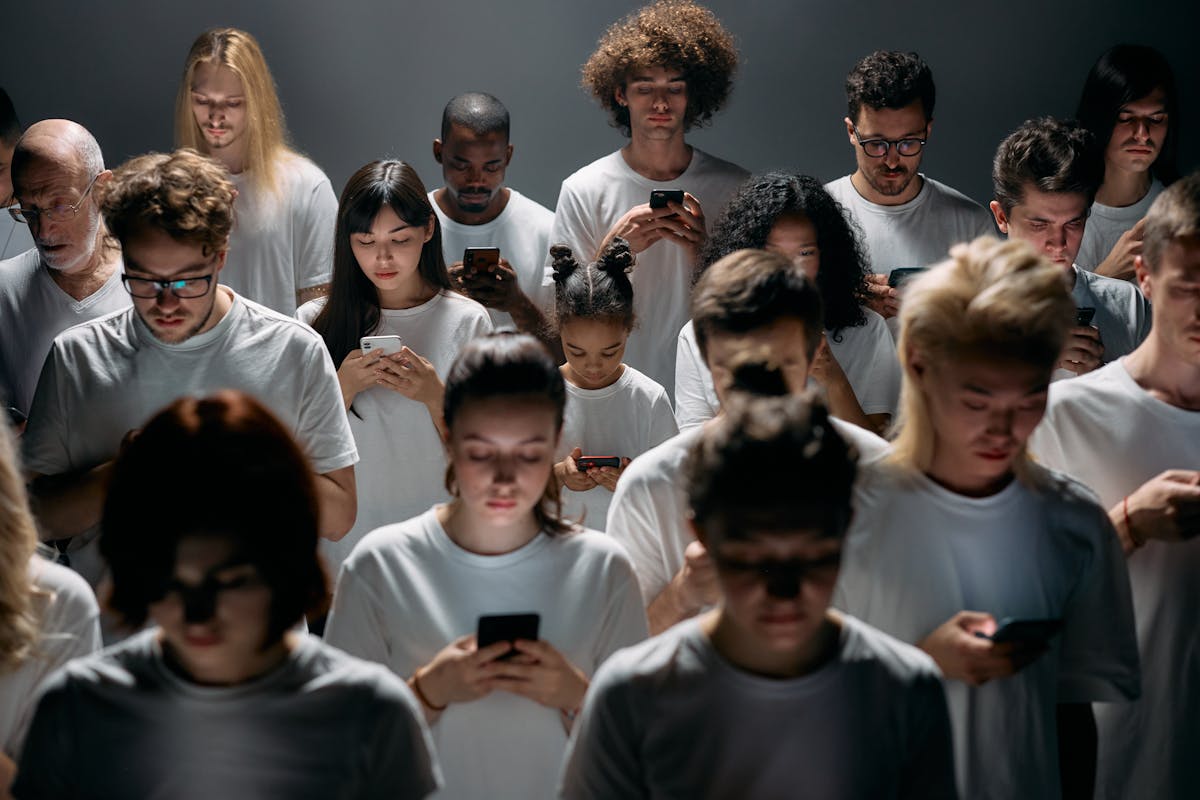
A defining undercurrent in The Social Network is the portrayal of isolation amidst connectivity. Mark Zuckerberg, even as he builds a platform designed to bring people together, is depicted as fundamentally alone—a motif frequently echoed in analyses of social media’s psychological impact. Research from the American Journal of Preventive Medicine (2017) identified a correlation between extensive social media use and perceived social isolation among young adults. The film, therefore, can be interpreted as both origin story and cautionary tale.
Through its cold color palette, fast-paced dialogue, and Sorkin’s script, the movie portrays a landscape where ambition is exhilarating but relationships are expendable. It anticipates conversations about the impact of digital platforms on mental health, self-worth, and human connection—conversations that have only intensified in a post-2010 world.
The Dynamics of Influence and Data Power
Although based in Facebook’s infancy, The Social Network predicts the vast influence digital platforms would eventually gain. Apart from linking individuals, Facebook’s transformation into a marketing powerhouse relying on data and a crucial player in political and social conversations isn’t directly shown in the film but becomes evident with hindsight. The film’s depiction of Facebook as an entity that swiftly surpasses its founders’ moral guidelines reflects ongoing issues regarding platform responsibility.
Cambridge Analytica and ongoing debates on content moderation underscore how today’s digital giants wield influence exceeding that of corporations in previous eras. The Social Network acts as a prescient narrative, inviting audiences to question how much control we truly have over technologies fundamentally shaping social reality.
Heritage for the web
Over a decade later, the impact of The Social Network persists not simply through its storytelling but as a cultural lens on our collective digital journey. Its enduring relevance lies in the questions it poses—about innovation’s double-edged sword, the mutable definition of connection, the ethics of ownership, and the profound solitude that can characterize digital life.
Witnessing the movie in contemporary times prompts a thoughtful examination of what has been achieved and lost in the unyielding quest for connection and advancement. By illustrating rapid triumph and individual consequences, The Social Network mirrors the aspirations and fears that characterize the digital era, encouraging ongoing introspection about the paths we take and the principles we uphold in our interconnected society.