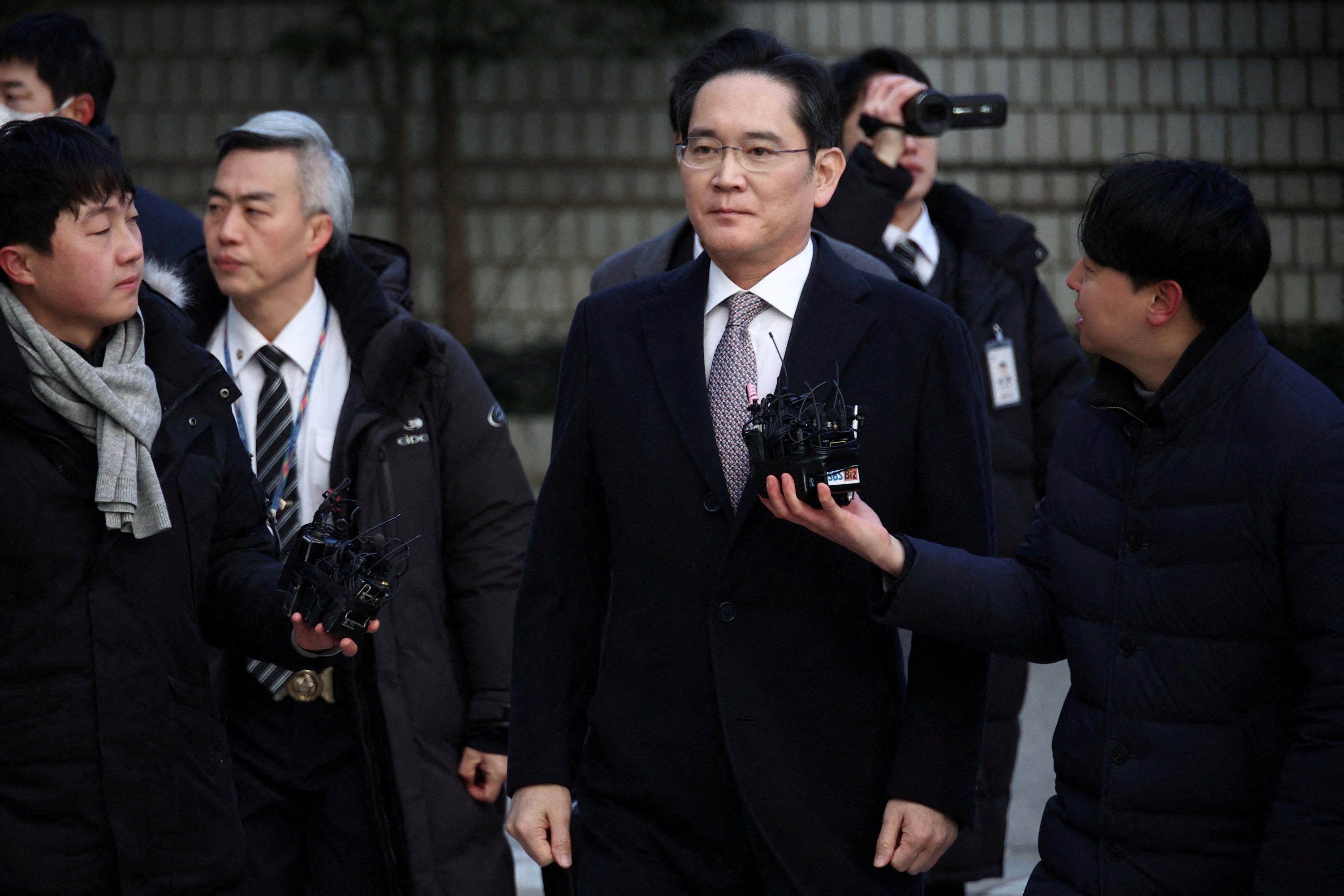

Lee Jae-yong, the executive chairman of Samsung Electronics, has been cleared of fraud allegations by South Korea’s highest judicial authority, the Supreme Court. This significant ruling brings a degree of finality to a protracted legal battle that has cast a shadow over one of the world’s leading technology conglomerates and its most prominent figure. The decision marks a pivotal moment for both Lee and the Samsung Group, potentially allowing them to fully refocus on strategic business objectives without the pervasive distraction of high-profile legal entanglements.
The case against Lee Jae-yong had its roots in a complex corporate merger involving two Samsung affiliates: Cheil Industries and Samsung C&T. Prosecutors had argued that the merger, which was crucial for consolidating Lee’s control over the vast Samsung empire, involved illicit tactics, including stock price manipulation and accounting fraud. The allegations suggested that these actions were designed to unfairly disadvantage minority shareholders and ensure a smoother succession of leadership within the chaebol, South Korea’s powerful family-controlled conglomerates. The legal proceedings were intricate, delving deep into corporate finance, governance structures, and the intricate web of cross-shareholdings characteristic of such large Korean business groups.
Initially, a lower court had found Lee guilty of some charges, leading to a period of incarceration and a suspended sentence. This conviction sent shockwaves through the business community, highlighting the South Korean government’s intensified efforts to crack down on corporate malfeasance, particularly within the influential chaebol. The initial verdict underscored a shifting legal landscape, where even the most powerful business leaders were being held accountable for their actions, signaling a departure from previous leniency often perceived in cases involving high-ranking executives.
However, the legal saga continued through various appeals, eventually reaching the Supreme Court. The appeals process meticulously reviewed the evidence, legal interpretations, and procedural aspects of the case. The defense team for Lee consistently argued that the merger was legitimate, conducted with appropriate corporate governance, and that any accusations of fraudulent intent or manipulation were unfounded. They emphasized the economic rationale behind the merger, asserting it was necessary for the long-term stability and competitiveness of the Samsung Group. The protracted nature of the appeals process reflected the complexity of the charges and the high stakes involved for all parties.
The final ruling by the Supreme Court to acquit Lee Jae-yong of the allegations of fraud bears major consequences. It essentially reverses earlier findings of guilt and alleviates a considerable legal pressure from him. This clearing of charges is not just a personal triumph for Lee but also delivers an essential sense of steadiness for Samsung Electronics, the leading enterprise of the Samsung Group. Over the years, the legal uncertainties hovering around its de facto leader had been a continuous worry for investors, staff, and collaborators, possibly affecting strategic choices and future planning.
With most of the legal issues resolved, Lee Jae-yong is anticipated to take a more proactive and commanding role in steering Samsung amid a phase of fierce international rivalry and swift tech evolution. The corporation is leading in pivotal sectors, such as semiconductors, smartphones, and displays, which all require ongoing innovation, major investments, and strong leadership. The conclusion of this legal matter might allow executives to better concentrate on these essential business objectives.
The judgment also plays a part in the broader conversation in South Korea about corporate governance and the influence of chaebol in the country’s economy. Although there is a significant public demand for more transparency and accountability from major companies, there is also a recognition of their vital role in enhancing South Korea’s economic strength and international competitiveness. The decision by the Supreme Court, while exonerating an individual, will surely contribute to continuing discussions about achieving a balance between encouraging economic development and upholding ethical business practices.
Additionally, the result of this prominent case will be carefully watched by investors worldwide and business experts. Samsung’s presence on the world stage is vast, and its results impact the tech industry globally. Investors generally perceive stable and untroubled leadership positively, as it indicates a more consistent and targeted path for the business. The clarity offered by the Supreme Court’s decision might, therefore, enhance confidence among investors regarding Samsung’s potential future.
Beyond the direct legal and commercial consequences, the situation also underscores the demanding and often prolonged process of the South Korean judiciary, especially in intricate white-collar crime cases involving influential individuals. The numerous stages of appeals and the careful scrutiny by the supreme court reflect a dedication to due process, even when handling issues of major public concern and political delicacy. This meticulous approach, though lengthy, strives to ensure that justice is administered based on a thorough evaluation of all information and legal discourse.
For Lee Jae-yong himself, this verdict provides a chance to solidify his leadership and completely carry out his vision for Samsung’s future. He has frequently highlighted the importance of Samsung innovating and adjusting to new challenges, especially in fields such as artificial intelligence, 5G technology, and cutting-edge semiconductor production. With most legal obstacles now in the past, he can fully focus on guiding the conglomerate through these pivotal periods and ensuring its status as a worldwide technology leader.
The decision by the South Korean Supreme Court to clear Samsung Chairman Lee Jae-yong of fraud allegations signifies a major milestone. This concludes a prolonged and intricate legal saga, bringing transparency and steadiness to Samsung Electronics. The verdict affects not only the leader of a worldwide tech powerhouse but also shapes wider views on corporate management in South Korea. It grants Samsung a more defined course to concentrate on its future strategic goals in a highly competitive global market. The repercussions of this decision will echo throughout both the business realm and legal sectors, indicating a fresh chapter for one of Asia’s most prominent conglomerates.