
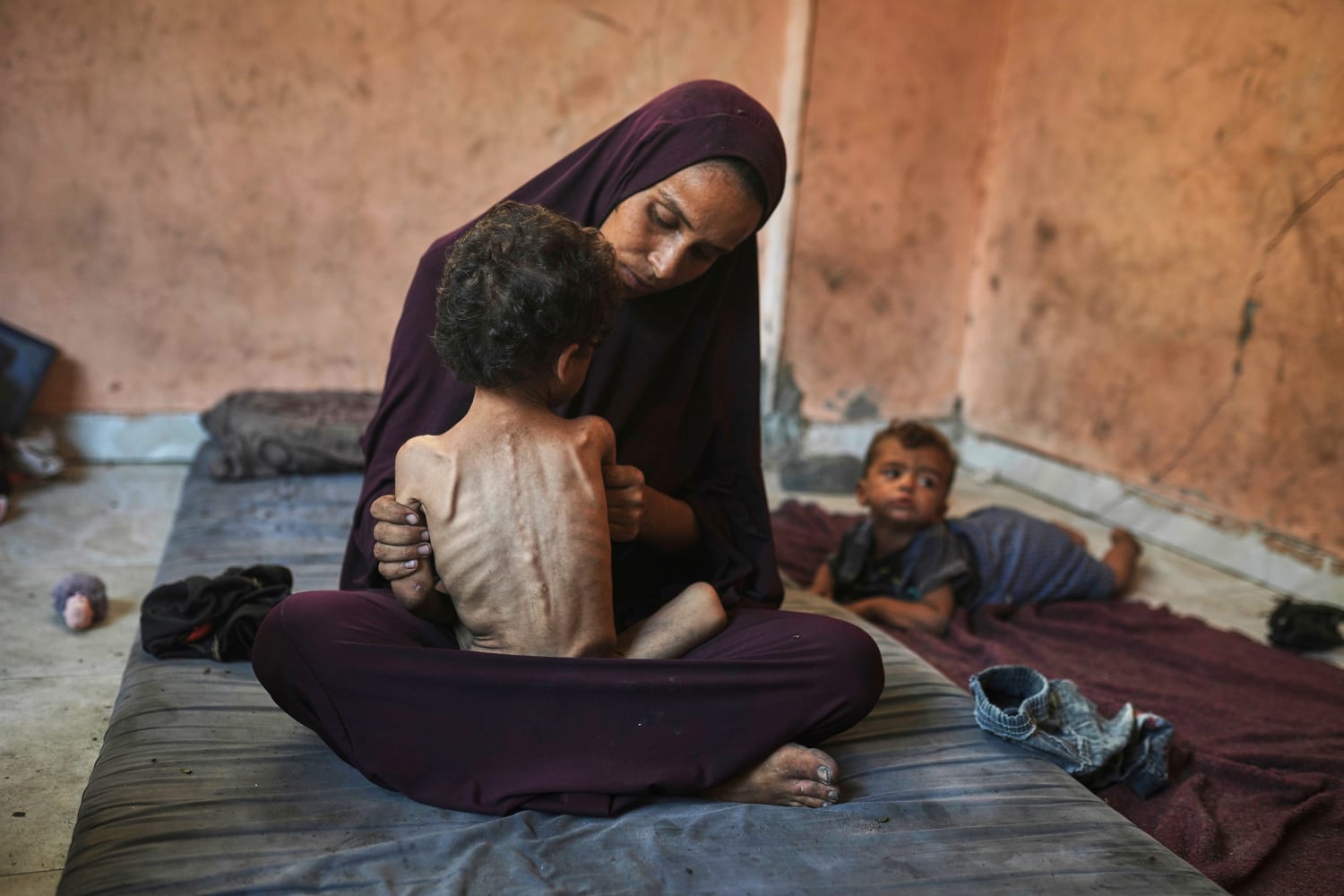

In the midst of a deepening humanitarian crisis, families in Gaza are facing extreme challenges accessing basic necessities, particularly infant formula and food. The widespread shortages have left many mothers struggling to feed their babies, as the local population copes with deteriorating conditions and limited aid.
For numerous women in Gaza, breastfeeding stands as the sole option for nourishing their babies. Nonetheless, due to the ongoing conflict, poor nutritional intake, and insufficient healthcare, mothers are finding it harder to produce the necessary amount of milk. Consequently, some infants are not receiving the nourishment required, jeopardizing their health and growth.
The absence of formula and baby food is not an isolated problem but part of a broader food insecurity issue affecting the entire region. Markets that once sold essential supplies are now either closed or depleted, with shelves bare and prices of remaining goods soaring beyond affordability for most families. The situation has grown dire for young children and newborns, who require proper nourishment for growth and survival.
In numerous situations, mothers have no choice but to depend on makeshift remedies. Some are thinning out powdered milk, and others are resorting to different feeding techniques that are neither adequate nor secure for newborns. These stopgap measures barely meet the pressing dietary requirements of infants and, at times, might even deteriorate their well-being.
The situation worsens due to the collapse of essential infrastructure. Electricity failures and the damage to clean water facilities render food preparation and sanitation nearly unfeasible. Lacking access to uncontaminated water or dependable cooling storage, maintaining even fundamental hygiene transforms into a privilege. This sets the stage for disease proliferation, particularly among children with compromised immune systems.
Medical professionals, when available, face overwhelming demands and lack sufficient resources. Hospitals are finding it challenging to handle the influx of undernourished patients, especially newborns with low birth weight or those suffering from dehydration and sickness caused by inadequate nutrition. Healthcare workers frequently have to make extremely difficult choices as they attempt to allocate limited supplies and equipment in tough circumstances.
The emotional toll on mothers is profound. Many describe feelings of helplessness and guilt as they watch their children suffer, unable to provide the nourishment they so desperately need. This emotional burden, combined with the physical challenges of hunger and displacement, adds a further layer of trauma to an already fragile population.
Efforts to bring in humanitarian assistance continue to face logistical and political barriers. Delays in the delivery of aid, coupled with restrictions on the types of goods that can enter, have limited the reach of relief efforts. Aid organizations working in the area often encounter challenges in distributing supplies efficiently, especially in the most heavily affected zones.
Despite these obstacles, there have been calls for more coordinated international response to address the urgent needs of mothers and children in Gaza. Advocates argue that ensuring access to infant formula and basic nutrition is a matter of survival and should be prioritized in any humanitarian strategy.
Until broader, more sustainable solutions are implemented, families remain caught in a dangerous cycle. Without adequate nutrition, infants risk long-term developmental setbacks, while mothers endure ongoing psychological and physical hardship. The crisis underscores the vulnerabilities of civilian populations, particularly women and children, in areas of prolonged conflict and limited access to care.
As the situation progresses, the urgency for prompt intervention stays crucial. Guaranteeing that babies and mothers obtain the nourishment, attention, and assistance they require goes beyond a health concern—it is fundamentally tied to human dignity and existence.