
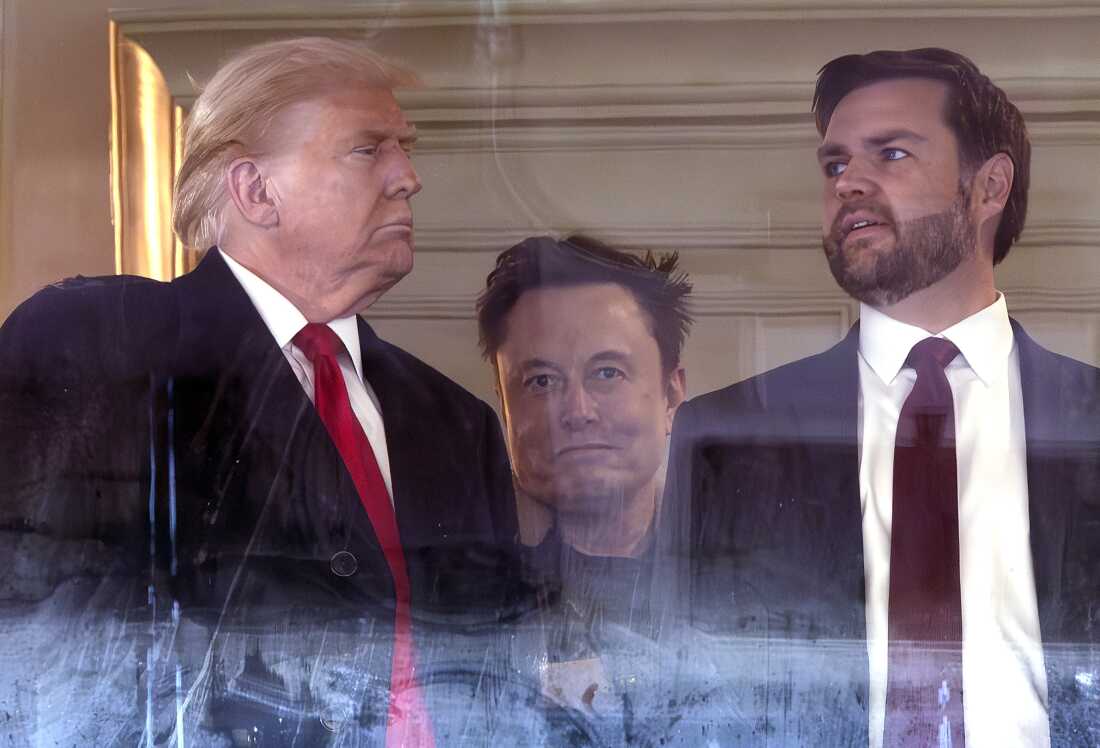

In recent months, the relationship between former U.S. President Donald Trump and billionaire entrepreneur Elon Musk has appeared to unravel, signaling a notable shift in the dynamic between politics and business leadership in the United States. Once regarded as potential allies with overlapping interests in deregulation, economic growth, and freedom of expression, the two high-profile figures now seem to be on diverging paths, with implications that could ripple across both the political landscape and the business world.
The relationship between Trump and Musk has cooled progressively, becoming evident over time. Although their interactions were never officially defined as a political alliance, public commentary, social media exchanges, and business events indicate that the former mutual respect has given way to critique, discord, and separation. This perceived “falling out” highlights broader frictions between the political right and tech industry executives as both factions maneuver through a more divisive social and economic climate.
Donald Trump, recognized for his candid way of speaking and divisive political stances, has consistently sought backing from prominent business leaders. During his time in office and in his later political endeavors, he often expressed admiration for creativity, business leadership, and reducing regulations—principles that resonate with many of Musk’s business ideals. Musk, who leads Tesla, SpaceX, and other companies, is renowned for transforming conventional industries, advancing technological frontiers, and supporting minimal government intervention in business activities.
There was a period when the two individuals seemed to find agreement, especially regarding economic matters. Musk was a member of the presidential advisory boards during the initial period of Trump’s presidency, taking part in talks about production, infrastructure, and employment growth. Nonetheless, this consensus started to break due to major policy discrepancies, particularly Trump’s choice to exit the United States from the Paris Agreement on climate change—a decision that led Musk to step down from his advisory positions in objection.
That early divergence foreshadowed a larger philosophical gap between the two men. While both are advocates for American industry and technological advancement, Musk has increasingly positioned himself as a global thinker focused on sustainability, space exploration, and digital innovation. In contrast, Trump’s policy platform has remained deeply rooted in nationalism, protectionism, and traditional manufacturing.
The distance between them has widened further in the post-presidency era. Trump’s return to the political stage, with aspirations for another presidential run, has been marked by heightened rhetoric, legal controversies, and a firm grip on his loyal voter base. Musk, on the other hand, has transitioned into a more complex public role that includes owning social media platform X (formerly Twitter), making controversial statements, and facing increasing scrutiny over his management style and business decisions.
Un punto central de desacuerdo ha surgido en torno al tema de la libertad de expresión y las plataformas digitales. Musk se ha presentado como un defensor absoluto de la libertad de expresión desde que adquirió X, criticando la censura y promoviendo el diálogo abierto, incluso cuando implica puntos de vista controvertidos. Aunque esta postura podría parecer compatible con las propias críticas de Trump hacia lo que él llama “cultura de la cancelación” y el sesgo de los medios, sus ambiciones personales y enfoques conflictivos hacia la comunicación han introducido desavenencias.
Trump’s once powerful presence on social media, particularly on platforms such as Twitter, faced significant limitations following the incidents of January 6, 2021. The launch of his personal platform, Truth Social, illustrates his aspiration for a standalone means of communication and his move away from traditional tech platforms. Musk’s later choice to reactivate Trump’s suspended Twitter account, after purchasing the company, introduced added intricacies, yet Trump predominantly opts to stay on Truth Social, declining to go back to the platform that had once been his main voice.
Further contributing to the rift is the question of political alignment and endorsement. While Musk has expressed centrist and libertarian-leaning views, including occasional support for Republican policies, he has also publicly distanced himself from Trump’s brand of populism. At times, Musk has criticized both major political parties, advocating instead for moderation, innovation, and long-term thinking.
El distanciamiento se acentuó cuando Musk dejó en claro que no apoyaba la campaña de reelección de Trump y sugirió que una nueva generación de líderes sería más beneficiosa para el país. Como respuesta, Trump, conocido por su inclinación a criticar públicamente a sus detractores, dirigió sus comentarios hacia Musk en discursos y publicaciones en redes sociales, cuestionando sus prácticas empresariales y su integridad personal.
The personal animosity between the two has since been amplified by broader societal issues, including discussions around electric vehicles, climate change, labor rights, and media influence. Trump’s continued support for fossil fuels and traditional manufacturing contrasts sharply with Musk’s commitment to renewable energy and electric transportation. At the same time, Musk’s controversial management decisions and statements have at times alienated both political progressives and conservatives, leaving him in an increasingly isolated position in the public discourse.
From a commercial standpoint, the divergence between Trump and Musk is noteworthy as well. Although both individuals have substantial economic clout, their enterprises exist in distinct domains. Trump’s brand is deeply entrenched in property, hospitality, and political activities, whereas Musk’s empire is founded on pioneering technology, space ventures, and the evolving digital environment. Their differing focuses suggest that even without personal disagreement, their business trajectories were unlikely to intersect significantly in the long run.
For American workers, investors, and political observers, this split raises important questions about the intersection of business and politics in the 21st century. The alignment between political power and corporate leadership has long shaped public policy and economic outcomes. The apparent dissolution of the Trump-Musk relationship suggests that such alliances may be more fragile than they appear, particularly when personal ambition, brand image, and ideological differences come into play.
The wider consequences of this division also concern the future of political backing by business executives. In a time when public personalities are responsible not only to investors but also to consumers and international audiences, leaders of companies and entrepreneurs must manage intricate reputational challenges when associating with political campaigns or individuals. The situation involving Trump and Musk acts as an example of how swiftly these partnerships can fall apart, and how public opinion can change in reaction.
As the political season heats up and Trump continues to pursue influence in American politics, the question of which business leaders will choose to align—or distance themselves—from his platform will remain a focal point of analysis. For Musk, maintaining independence from partisan politics may allow him to preserve his brand’s broad appeal, especially as his companies rely on global markets, government contracts, and a diverse customer base.
In conclusion, the apparent end of the Trump-Musk relationship underscores the evolving nature of power, influence, and leadership in both politics and business. While brief alliances may arise out of shared interests or goals, lasting partnerships require deeper alignment of values, vision, and public positioning. The case of Trump and Musk demonstrates how differing ambitions and worldviews can ultimately create insurmountable divides, even between two of the most influential figures in modern American history.
As the landscape continues to shift, both men will remain central players in their respective domains, but their paths, once briefly aligned, now seem destined to move in entirely separate directions.