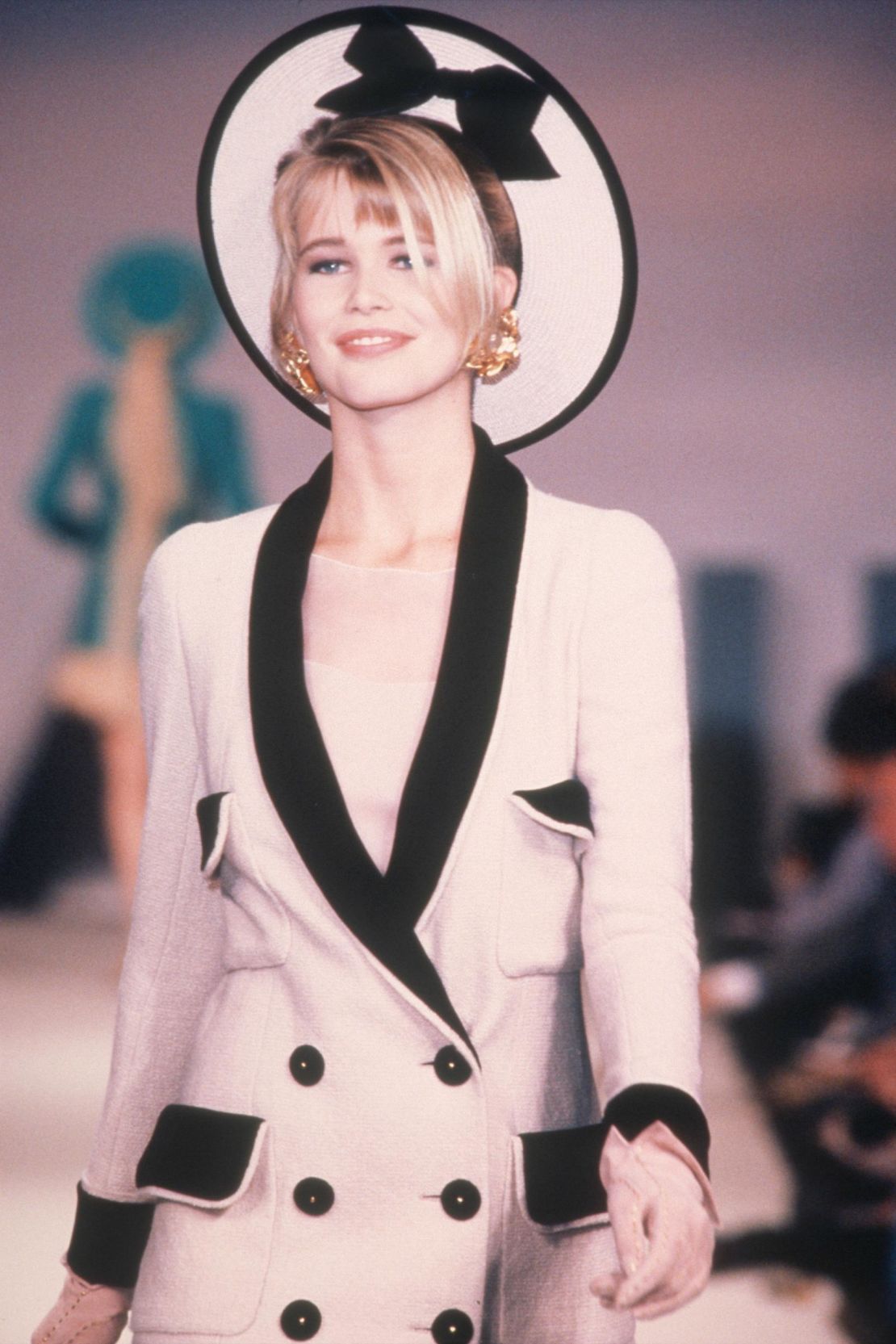


Roy Halston Frowick, known mononymously as Halston, occupies a singular place in the history of American fashion. Emerging in the 1960s first as a prodigious milliner, Halston soared into prominence by designing the iconic pillbox hat worn by Jacqueline Kennedy at John F. Kennedy’s 1961 inauguration. However, it was his evolution into womenswear that allowed him to form the foundation of what would become an indelible legacy. Halston spoke the language of modernity, fluidity, and understated glamour—qualities that redefined the American aesthetic and forever shifted the trajectory of the fashion industry.
Minimalism as Innovation: The Language of Simplicity
Before Halston, American fashion was dominated by haute couture, where opulence and elaborate adornment were the hallmarks of luxury. Halston challenged these established norms, pioneering a minimalist aesthetic that honored the human form and rejected unnecessary ornamentation. His signature creation was the bias-cut dress—a design that not only hugged a woman’s figure but appeared to set it free. Employing materials like ultrasuede, jersey, and chiffon, Halston crafted apparel that flowed, swayed, and felt airy on the wearer. This groundbreaking shift in materials and silhouette defined a new kind of practical luxury, distinguished by its comfort and sophistication.
Numerous fashion historians cite Halston’s 1972 ultrasuede shirtwaist dress as a watershed moment. Its simple cut, machine-washable fabric, and democratized style found favor with every echelon of society, selling in tens of thousands. By integrating ease into luxury, Halston set the stage for every subsequent wave of American sportswear and minimalism, influencing designers from Donna Karan to Calvin Klein.
The Halstonettes: Inclusivity and Portrayal
Perhaps no other designer of his era cultivated a more inclusive image than Halston. His atelier and social circle, dubbed the “Halstonettes,” reflected a progressive vision for representation in fashion. He dressed a multicultural coterie of models and muses—such as Pat Cleveland, Alva Chinn, and Beverly Johnson—years before the industry’s wider embrace of diversity. Halston’s shows, often staged in intimate settings or at the Pierre Hotel, foregrounded these women’s personalities and grace, projecting a new and relatable ideal of beauty to the world. This approach not only amplified emerging supermodels but also set a cultural precedent for diversity as essential to fashion’s vibrancy.
The Studio 54 Era: Redefining Glamour and Celebrity Culture
The partnership between Halston and the nightlife of Studio 54 in the late 1970s is legendary. He understood the power of association, and artfully melded fashion with celebrity culture. Dressed in his designs, stars like Liza Minnelli, Bianca Jagger, and Elizabeth Taylor embodied an aspirational lifestyle associated with freedom, hedonism, and glamour. Halston’s clothes became synonymous with the disco era—fluid, shimmering, and sensuous, perfectly attuned to the mesmerizing nightlife of the time.
This convergence of brand and celebrity would shape American fashion for many years. Contemporary designers often view Halston as the quintessential example of establishing a lifestyle brand inextricably linked to entertainment, renown, and media.
Commercial Innovation: Licensing and the Genesis of Lifestyle Branding
Beyond aesthetics, Halston pioneered the concept of licensing, setting a new template for brand expansion. In 1983, his landmark $1 billion licensing deal with J.C. Penney represented a seismic shift. Halston was the first major designer to offer high fashion at mass-market prices, anticipating the contemporary collaborations between luxury labels and retail giants such as Target or H&M.
However, the risks inherent in mass licensing became clear when Halston’s prestige clientele shunned the designer for “going down-market.” This culminated in his ouster from his own label—an episode frequently cited in business schools as a cautionary tale. Halston’s career thus stands as a pivotal study in the delicate balance between exclusivity and accessibility within fashion branding.
Contemporary Reverberations: Halston’s Enduring Impact
The contemporary fashion landscape—characterized by its minimalist aesthetic, inclusive approach, celebrity influence, and accessible luxury—owes a significant portion of its foundational principles to Halston’s pioneering innovations. The renewed presence of vintage Halston attire at high-profile events, biographical films chronicling his journey, and ongoing tributes from prominent American designers all underscore his enduring and dynamic impact. Fashion labels are increasingly adopting the principles Halston championed: the importance of superior craftsmanship, the power of media integration, and the necessity of catering to a broad spectrum of consumers.
Fashion’s shifting landscape, toward both sustainability and accessibility, owes a debt to Halston’s early advocacy for functionality without compromise. His aesthetic persists in the draped gowns of emerging designers; his business strategies echo in modern collaborative collections; his belief in diversity has become not just celebrated, but expected.
Halston’s Enduring Signature
Halston’s narrative chronicles a forward-thinker who foresaw—and often initiated—every significant shift in American style. His minimalist approach provided liberation; his efforts to make luxury accessible promoted broad participation; his marketing brilliance redefined the potential of a fashion brand. The clothing he designed transcended fleeting fads; they evolved into lasting emblems of confidence and contemporary American identity. Within the ongoing progression of fashion, Halston’s legacy continues to inspire and educate, influencing successive eras and underscoring the lasting impact of elegance, openness, and pioneering spirit.


:max_bytes(150000):strip_icc()/VWH-GettyImages-2168531818-3e0c9a6c46fe445ab049a4daf639baa5.jpg "How To Incorporate Glycolic Acid Into Your Skincare Routine, According To The Experts")