
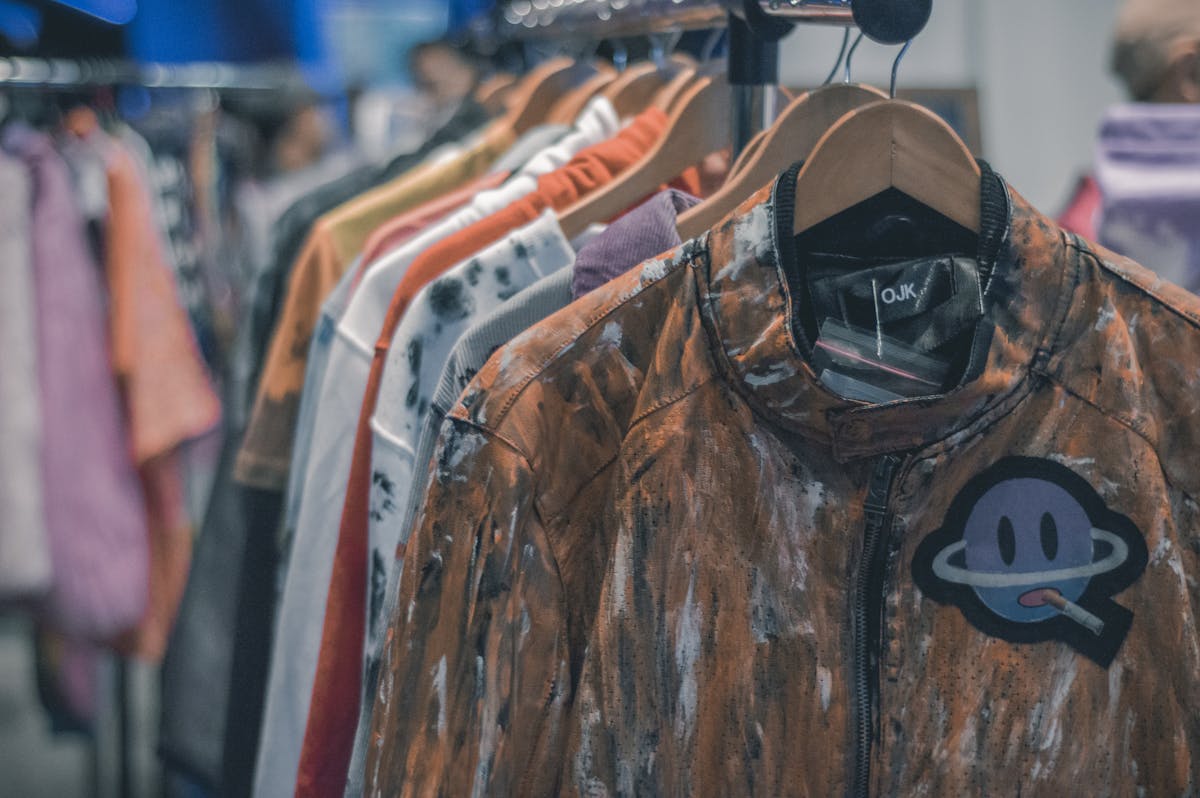

The world of fashion is a dynamic tapestry woven from various cultural threads, reflecting the diverse experiences, beliefs, and traditions of societies worldwide. It is a realm where cultural influences manifest through styles, designs, and trends, showcasing the interconnectedness of global communities.
The Historical Background
Throughout history, cultural influences have played a pivotal role in shaping fashion. For instance, during the Renaissance, European fashion was heavily influenced by the opulent lifestyles of the aristocracy, reflecting their wealth and social status through luxurious fabrics like silk and velvet. The intricate designs and elaborate embroidery of this era were a testament to the meticulous craftsmanship passed down through generations.
In the 20th century, the cultural revolution brought about by the two World Wars, and the subsequent rise of the counter-culture movements, dramatically altered fashion silhouettes and perspectives. The flapper dresses of the 1920s, with their liberated styles, mirrored women’s evolving roles in society, challenging traditional gender norms.
Contemporary Cultural Interaction
Today, cultural influences on fashion have become increasingly visible and widely embraced as a result of globalization and technological progress, with ideas circulating continually across borders and inspiring a fusion of styles that fuels fresh creativity and innovation. For instance, streetwear, which began within the urban culture of cities such as New York and Los Angeles, has evolved into an international trend adopted by luxury fashion labels. This impact has elevated everyday casual clothing into coveted high-fashion items, propelled by brands like Off-White and Supreme.
Similarly, the rise of “athleisure” reflects a shift in cultural attitudes towards health, wellness, and versatility in lifestyle. This style, which merges athletic wear with leisurewear, emphasizes comfort without sacrificing style, becoming a staple in modern wardrobes.
Cultural Identity and Fashion
Fashion serves as a compelling medium for conveying cultural roots and heritage, with designers frequently drawing on their own backgrounds to craft collections that speak to both individual and collective experiences. In many cases, contemporary African fashion creators weave traditional materials like kente and ankara into updated silhouettes, honoring the lively visual language and cultural meaning embedded in these textiles.
Moreover, indigenous patterns and symbolism frequently appear in mainstream fashion, prompting discussions around cultural appropriation versus cultural appreciation. The delicate balance between these concepts highlights the importance of respecting and honoring the origins of cultural symbols when integrating them into fashion designs.
The Influence of Technological Advances
With the rapid expansion of social media platforms and influencers, cultural influences in fashion circulate faster than ever, as networks like Instagram and TikTok facilitate the immediate exchange of style concepts and emerging trends, broadening the visibility and impact of cultural expression in fashion, while this technological evolution opens up the industry by empowering individuals from varied cultural backgrounds to contribute to and reshape its narratives.
Advances in fabric technology and sustainability initiatives are increasingly shaped by cultural priorities linked to environmental conservation. Designers are turning toward eco-conscious materials, mirroring a global cultural movement that places sustainability at the core of evolving brand identities.
Fashion continuously evolves as a reflection of cultural contexts, each element infusing vitality into garments that transcend mere fabric and thread. It is an art form that narrates stories of tradition, innovation, and identity. As we move forward, the fashion industry will undoubtedly continue to embrace and explore cultural influences with respect and creativity, weaving them into the ever-expanding fabric of global style. This ongoing exchange enriches the fashion landscape, making it a captivating expression of human diversity and ingenuity.