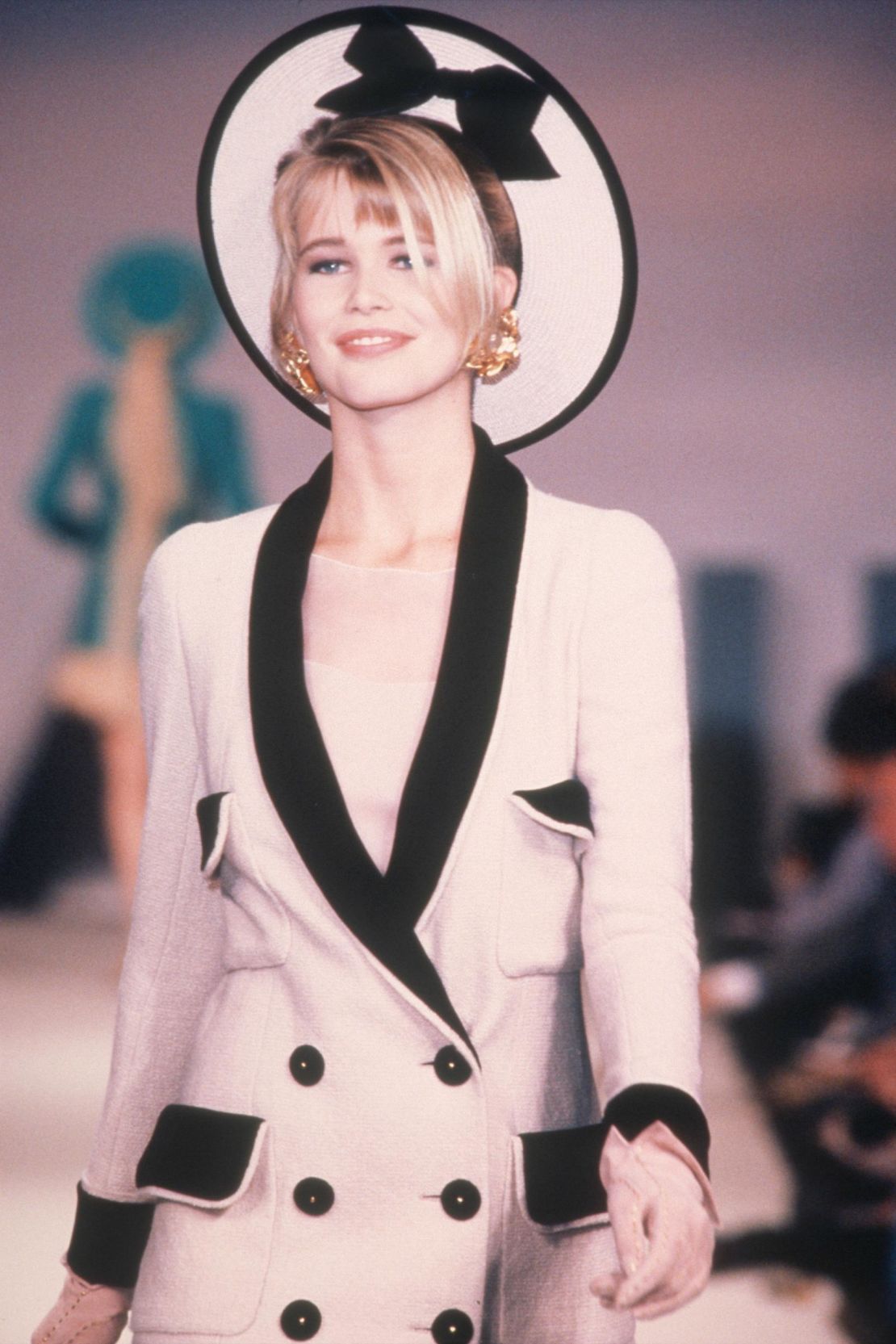


Chappell Roan, the emerging pop performer celebrated for her daring fashion and unfiltered emotional delivery, has lately discussed her developing artistic approach, detailing her journey of composing songs amid personal struggles, and her rekindled enthusiasm for the business that initially captivated her. In open dialogues, Roan has revealed the profound emotions driving her recent creations and the effort involved in rediscovering happiness in her artistic pursuits.
One of the most talked-about pieces from her latest collection is “The Subway,” a composition that illustrates the eerie silence often accompanying the end of a relationship. For Roan, this track embodies more than just sorrow—it portrays emotional confusion and openness against the backdrop of daily existence. The subway transforms into a metaphor: a space of movement lacking direction, where passengers advance while the heart lingers in the past.
Writing “The Subway” and other emotionally driven songs was part of Roan’s attempt to process a particularly difficult period. Rather than retreat from the discomfort, she leaned into it, using her music as both an outlet and a mirror. In doing so, she allowed herself to be fully seen, not just as a performer, but as a person navigating grief, uncertainty, and the search for meaning.
That honesty has struck a chord with fans. Roan’s lyrics aren’t dressed up with metaphor for metaphor’s sake—they’re grounded in specific, often painful moments that listeners find relatable. Whether she’s singing about unrequited love, loneliness, or the disillusionment that can come with chasing creative dreams, there’s an unfiltered quality to her voice that sets her apart in today’s crowded pop landscape.
However, Roan acknowledges that composing amid emotional turmoil was challenging. At times, the heavy burden of her personal experiences made it hard for her to stay creative. Nevertheless, music served as her refuge—a place she could turn to when everything else seemed uncertain. Her dedication to her art, despite personal hardships, laid the groundwork for a fresh phase in her creative path.
In recent months, Roan has also spoken about finding her way back to the joy of making music. After years of navigating industry expectations and the pressures of building a career, she’s reconnected with the parts of songwriting and performing that first inspired her. This shift has been deeply empowering, allowing her to create from a place of authenticity rather than obligation.
Part of that journey back has included adopting a playful and theatrical approach—features that have been integral to her style for a long time but are now becoming the focus in her live performances and public image. From bold makeup and eye-catching outfits to elaborately crafted shows, Roan is embracing the liberation that accompanies fully embracing her identity as an artist.
She has gained greater authority over her artistic path, from crafting songs to designing her performances. This enhanced autonomy empowers her to better align her projects with her beliefs and aspirations. For Roan, it goes beyond simply releasing music—it’s about creating an environment that represents her identity and principles.
That world is one where emotional honesty coexists with glamor, where heartbreak doesn’t preclude joy, and where vulnerability is a form of strength. Her performances often blur the line between concert and confessional, offering audiences not just entertainment but a sense of connection and catharsis.
Roan’s ability to tap into that space is especially evident in her growing fanbase, many of whom find comfort and empowerment in her work. Her songs have become anthems for those navigating emotional turbulence, queer identity, and the complex process of self-discovery. In an industry often focused on perfection and polish, Roan’s willingness to show the cracks has become her signature.
As she looks ahead, Roan is focused not just on promoting her latest releases, but on continuing to evolve as both a person and a performer. She’s committed to making music that tells the truth—even when it’s uncomfortable—and to building a creative environment that sustains rather than drains her.
In a time when exhaustion and feeling disconnected are prevalent among creators, Roan’s path to emotional strength and artistic honesty provides an inspiring alternative story. By facing emotional pain directly and using it as inspiration for her music, she has gained a deeper self-awareness and a refreshed sense of direction.
What’s next for Chappell Roan remains to be seen, but one thing is certain: she’s no longer creating from a place of survival. Instead, she’s choosing to make music from a place of strength, clarity, and, perhaps most importantly, love—for her art, her audience, and herself.

:max_bytes(150000):strip_icc()/VWH-GettyImages-2168531818-3e0c9a6c46fe445ab049a4daf639baa5.jpg "How To Incorporate Glycolic Acid Into Your Skincare Routine, According To The Experts")