
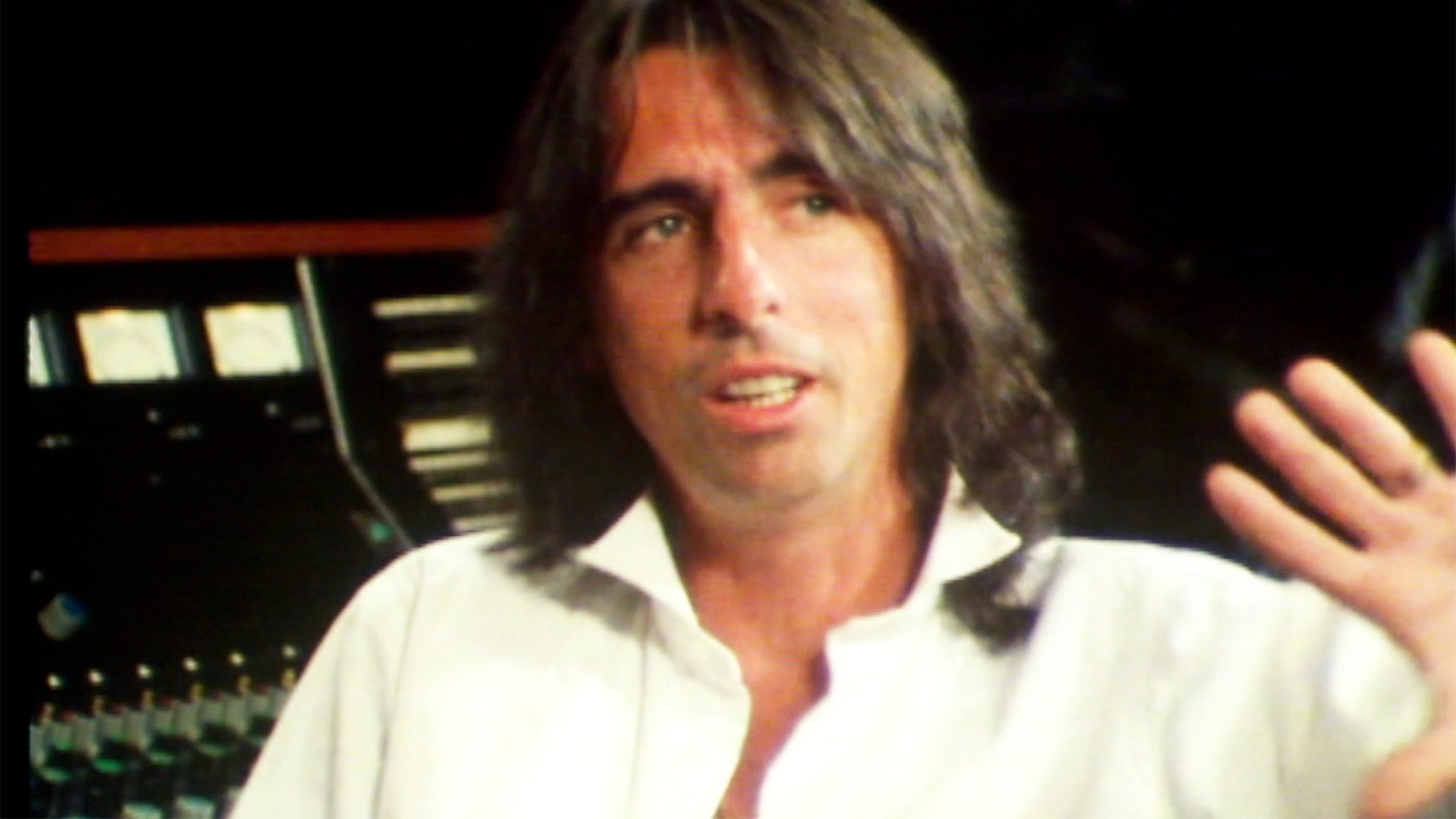

Some landmarks evoke the imagination as effectively as the famous Hollywood sign located above Los Angeles. It represents both the entertainment industry and serves as a lighthouse for dreamers globally. However, it’s not widely known that this internationally famous symbol almost faced destruction—and that music icon Alice Cooper surprisingly helped preserve it.
In the late 1970s, the Hollywood sign was in a state of serious disrepair. The once-proud letters that spelled out “Hollywood” were battered by time, weather, and neglect. Several of the original letters were damaged, with some so dilapidated they risked collapsing altogether. The sign, originally erected in 1923 as “Hollywoodland” to promote a real estate development, had become a beloved but crumbling relic of California’s golden age of cinema.
As the deterioration worsened, there was a real possibility that the landmark might be lost forever. The City of Los Angeles lacked the funding necessary for a full restoration. What was once a symbol of aspiration and glamour risked becoming a memory—unless someone stepped in to change the sign’s fate.
Here is the rewritten HTML text in English:
Meet Alice Cooper, the innovative shock rocker famous for his dramatic live shows, grim lyrics, and stage antics. Although Cooper’s public persona heavily embraced gothic flair, behind the scenes he held a true admiration for cultural icons and the history that influenced them.
In 1978, during an era when his musical career was already well-established, Cooper learned of the Hollywood sign’s plight. Moved by the prospect of losing such a cultural treasure, he became one of the first public figures to take concrete action to preserve it. To help finance the necessary restoration, he sponsored the replacement of one of the letters—the second “O”—donating a substantial sum toward its rebuilding.
Cooper’s drive wasn’t just focused on safeguarding a historic site; it also held a significant personal aspect. The letter he decided to sponsor, the “O,” paid tribute to Groucho Marx, the iconic humorist and performer who had been a close companion and mentor to Cooper. Their unexpected bond, which developed in the early 1970s, deeply influenced Cooper, and preserving the sign served as a significant tribute to Marx’s legacy within the core of the entertainment industry they both admired.
Cooper did not tackle this mission single-handedly. Reviving the Hollywood sign turned into a community effort, gaining backing from various celebrities and private benefactors. Every letter received sponsorship individually. Playboy’s originator, Hugh Hefner, orchestrated a fundraising event that was crucial in obtaining the necessary financial support for the complete renovation. Other supporters, like rock musician Gene Autry and performer Andy Williams, recognized the sign’s cultural significance.
The community initiative was triumphant, and by 1978, the renovated Hollywood sign was revealed, built with more durable materials intended to endure over time. Through the joint efforts of dedicated people such as Alice Cooper, the sign transformed from a dilapidated monument into a rejuvenated symbol of ambition, creativity, and the power of popular culture.
Alice Cooper’s participation in the initiative reveals an aspect of the artist that is in stark contrast to his stage identity. It emphasizes his appreciation for the past and his readiness to leverage his sway to protect a part of our collective legacy. During interviews, Cooper has expressed the satisfaction he experienced by contributing to something so lasting, mentioning that the Hollywood sign symbolizes much more than simply the film realm—it embodies the aspirations of numerous individuals who journey to Los Angeles seeking opportunities.
The Hollywood sign has since been maintained and protected, becoming a globally recognized icon. While thousands flock to see it each year, many are unaware of the unique backstory behind its survival. The fact that a rock musician famous for songs about the macabre and the rebellious helped save a cultural monument speaks to the unpredictable intersections of art, fame, and history.
Many years later, the Hollywood sign continues to be not just a famous site but also a symbol of the communal endeavor that rescued it from crumbling. Alice Cooper’s role has earned him an unforeseen position in Hollywood’s narrative—a tale not solely about luxury and fame, but about conservation, remembrance, and the individuals ready to act when an emblematic piece faces the danger of vanishing.
By taking this conservation initiative, Cooper and his fellow benefactors guaranteed that the emblem of Hollywood’s illustrious aspirations would persist in motivating future generations. The previously worn-out letters now shine brightly over the city, their continued existence partly due to a musician who, looking beyond his own fame, decided to safeguard a more significant legend.