
Introduction: Why Some Body Parts Still Puzzle Science
Modern anatomy has mapped the human body in remarkable detail, yet not every structure has a fully agreed-upon function. Some bones and organs were once labeled “vestigial,” assumed to be evolutionary leftovers. However, ongoing research in immunology, biomechanics, microbiology, and evolutionary biology continues to challenge those assumptions. Below are ten human bones and organs whose precise roles remain debated, partially understood, or newly reinterpreted.
1. The Appendix
Once viewed as a pointless vestige inherited from plant-eating forbears, the appendix has experienced a notable turnaround in scientific perspective.
- Immune Function: It contains lymphoid tissue, suggesting a role in immune system development, especially during childhood.
- Microbiome Reservoir: Some researchers propose it acts as a “safe house” for beneficial gut bacteria, helping repopulate the intestines after severe diarrhea.
- Evolutionary Debate: Comparative studies show the appendix has evolved independently multiple times in mammals, implying selective advantage.
Yet many individuals live without it and experience no obvious health deficits, leaving its overall necessity unresolved.
2. The Pineal Gland
The pineal gland, a compact endocrine organ nestled deep within the brain, synthesizes melatonin and governs circadian cycles. Although its primary hormonal function is understood, wider inquiries persist.
- Sleep-Wake Regulation: It synchronizes biological clocks with light cycles.
- Seasonal Biology: In animals, it influences seasonal reproduction; its full impact in humans is less clear.
- Calcification Mystery: Many adults develop pineal calcifications, but the health implications are debated.
Research continues into its potential connections to mood disorders and neurodegenerative diseases.
3. The Coccyx (Tailbone)
The coccyx is the fused remnant of an ancestral tail. Traditionally described as vestigial, it actually serves several mechanical functions.
- Muscle Attachment: It anchors pelvic floor muscles critical for continence and organ support.
- Weight Distribution: It helps distribute body weight when sitting.
Debate persists over whether its current role is sufficient to consider it fully functional or primarily evolutionary residue.
4. Wisdom Teeth
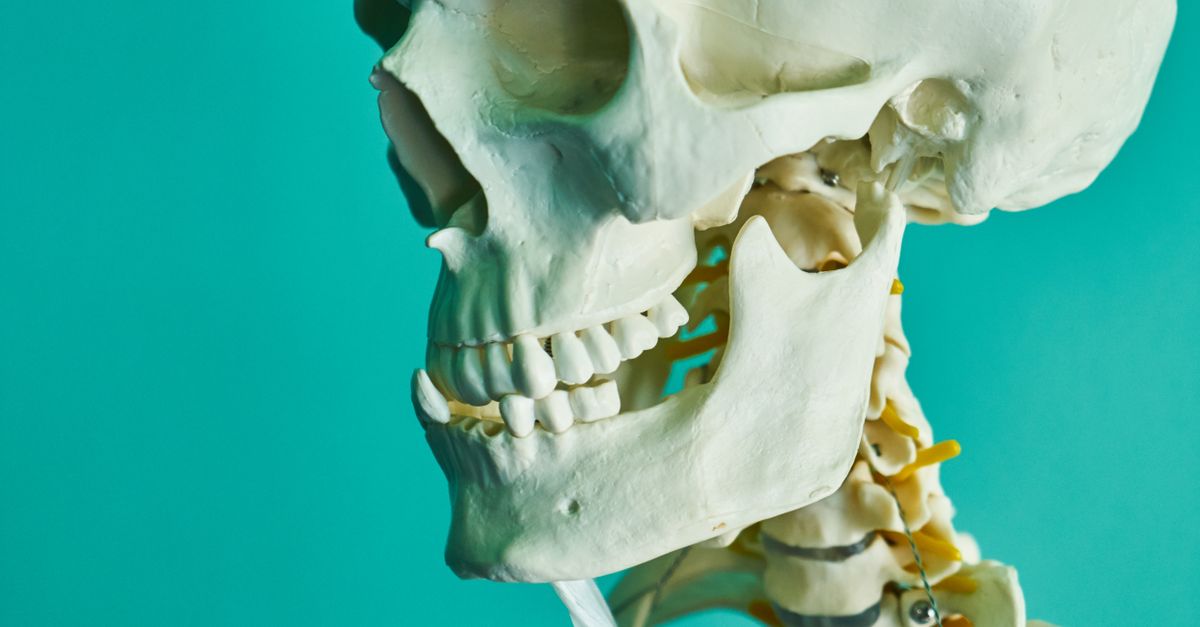
Also called third molars, wisdom teeth once aided in grinding tough plant material. Today, they often cause crowding and require removal.
- Dietary Shift: The requirement for extra molars could have diminished due to softer contemporary diets.
- Jaw Evolution: Over time, human jaws have shrunk, likely driven by shifts in tool utilization and cooking practices.
Some anthropologists argue they still serve a backup function if other molars are lost, while others view them as evolutionary leftovers.
5. The Spleen
The spleen filters blood and supports immune responses, yet people can survive without it.
- Blood Filtration: It removes old red blood cells and pathogens.
- Immune Surveillance: It helps mount responses to certain bacterial infections.
Its removal increases infection risk, but the liver and lymph nodes compensate significantly. Debate centers on whether its redundancy diminishes or underscores its importance.
6. The Tonsils
The tonsils are lymphatic tissues situated at the rear of the throat. Frequently excised as a result of infection, they were long deemed unnecessary.
- Pathogen Detection: They sample bacteria and viruses entering through the mouth and nose.
- Childhood Immunity: They appear most active in early life.
Studies suggest removal does not severely impair immunity, but subtle long-term effects remain under investigation.
7. The Thymus
The thymus is essential for T-cell maturation during childhood. However, it shrinks dramatically after puberty.
- Immune Development: Crucial for sculpting adaptive immunity during early life.
- Age-Related Involution: Its shrinkage prompts questions concerning reduced immunological resilience in older adults.
Whether the regression of the thymus represents an inevitable evolutionary compromise or a malleable component of aging remains a subject of ongoing debate.
8. The Vomeronasal Organ
The vomeronasal organ senses pheromones across a wide range of animals, though its exact role in humans remains a subject of debate.
- Anatomical Presence: Small pits in the nasal septum resemble this organ.
- Functional Uncertainty: Evidence for pheromone detection in humans remains inconclusive.
Some researchers argue it is nonfunctional in humans; others believe subtle chemical communication may occur through alternative pathways.
9. The Palmaris Longus Muscle
The palmaris longus represents a forearm muscle that is missing in roughly 10 to 20 percent of individuals.
- Grip Strength: It might add a minor contribution to wrist flexion.
- Surgical Use: Frequently extracted for tendon grafts, resulting in no apparent functional deficit.
Its variability and minimal functional impact suggest evolutionary reduction, yet it has not disappeared entirely.
10. The Plantaris Muscle
The plantaris muscle, situated within the leg, is quite small and occasionally missing.
- Minor Role in Movement: It assists weakly in knee flexion and ankle movement.
- Evolutionary Remnant: Some scientists believe it once played a larger role in grasping with the foot.
Because it can be eliminated without significant repercussions, its actual functional relevance continues to be discussed.
Rethinking “Vestigial” in Modern Medicine
The concept of vestigial structures has evolved. Rather than being useless leftovers, many debated bones and organs appear to have reduced, specialized, or context-dependent functions. Redundancy in biological systems allows survival even when certain structures are removed, complicating assessments of importance.
Advances in microbiome research, immunology, and evolutionary genomics continue to reveal subtle contributions once overlooked. Structures such as the appendix and thymus demonstrate that diminished size or partial redundancy does not equal irrelevance.
These ten examples illustrate how the human body remains a living record of evolutionary history—adaptable, layered, and not yet fully understood. Ongoing research may transform today’s anatomical uncertainties into tomorrow’s essential discoveries, reminding us that even the smallest structures can hold significant biological meaning.