
04
Jul
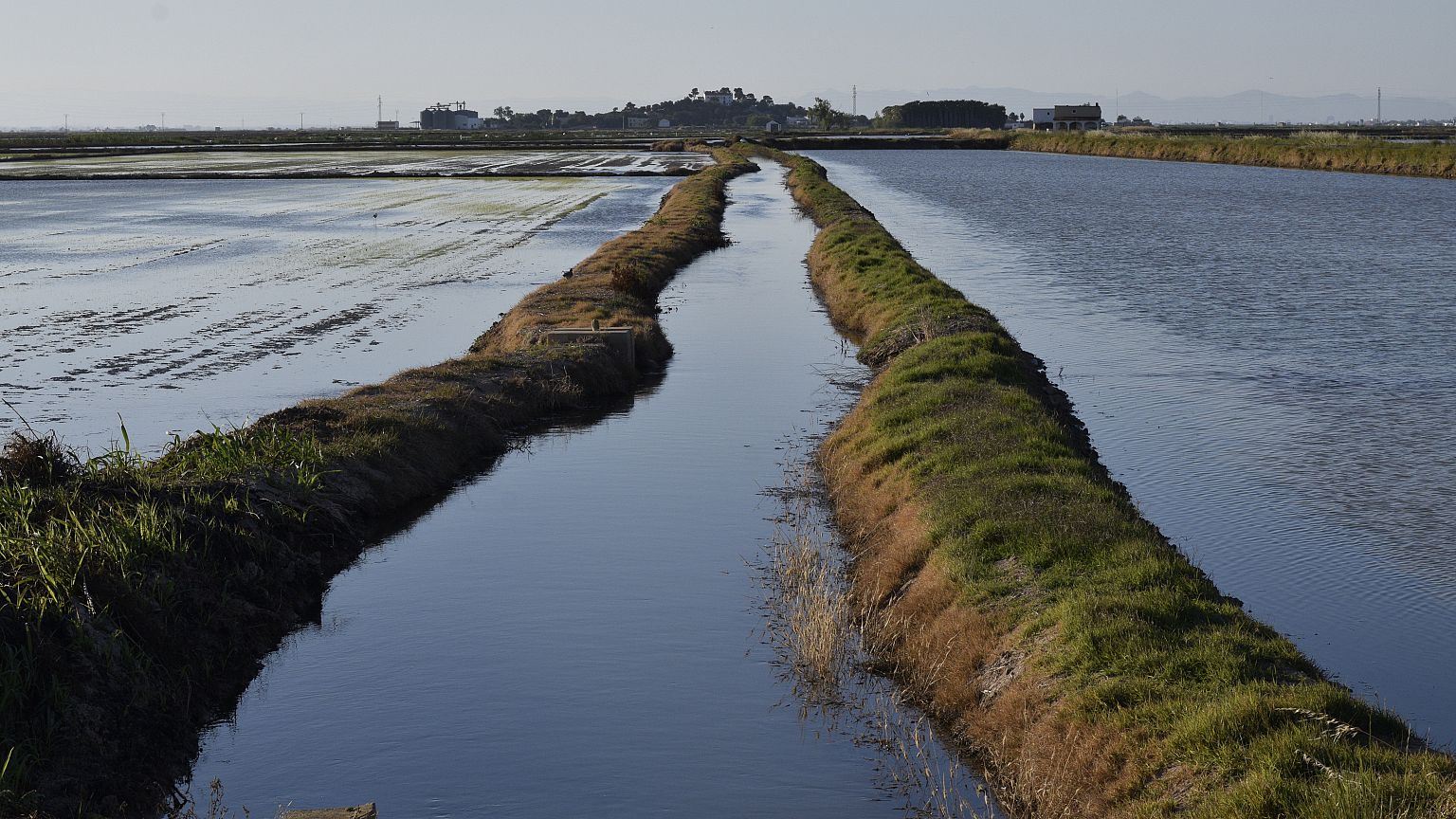
Across many regions of the world, the legacy of industrial activity has left a profound and often irreversible impact on both the environment and the communities that depend on it. From rivers laced with toxic chemicals to once-verdant hillsides stripped bare and scarred by mining operations, the consequences of unchecked industrialization are visible in landscapes altered beyond recognition.The story of poisoned water and damaged lands is not confined to one country or one industry. It is a global challenge that raises urgent questions about how societies balance economic development with environmental protection and the well-being of local populations.Agua contaminada se…