Blog

Why oceans matter for climate and for the economy

Oceans’ Significance for a Sustainable Climate and Economy

Oceans as the planet’s dominant climate regulatorThe global ocean spans about 71% of Earth’s surface and functions as the planet’s chief climate moderator, absorbing and redistributing heat and carbon to soften temperature fluctuations, shape weather systems, and maintain essential life-supporting biogeochemical processes. Two key functions are especially notable.Heat storage: The ocean has absorbed most of the surplus heat generated by greenhouse gas emissions—widely assessed as exceeding 90% of the planet’s accumulated excess warmth—thereby tempering atmospheric temperature rises while introducing long-lasting thermal inertia that commits the climate system to future shifts.Carbon sink: The ocean takes in a substantial share of CO2…
Read More
How standards shape trade and who gets locked out

How standards shape trade and who gets locked out

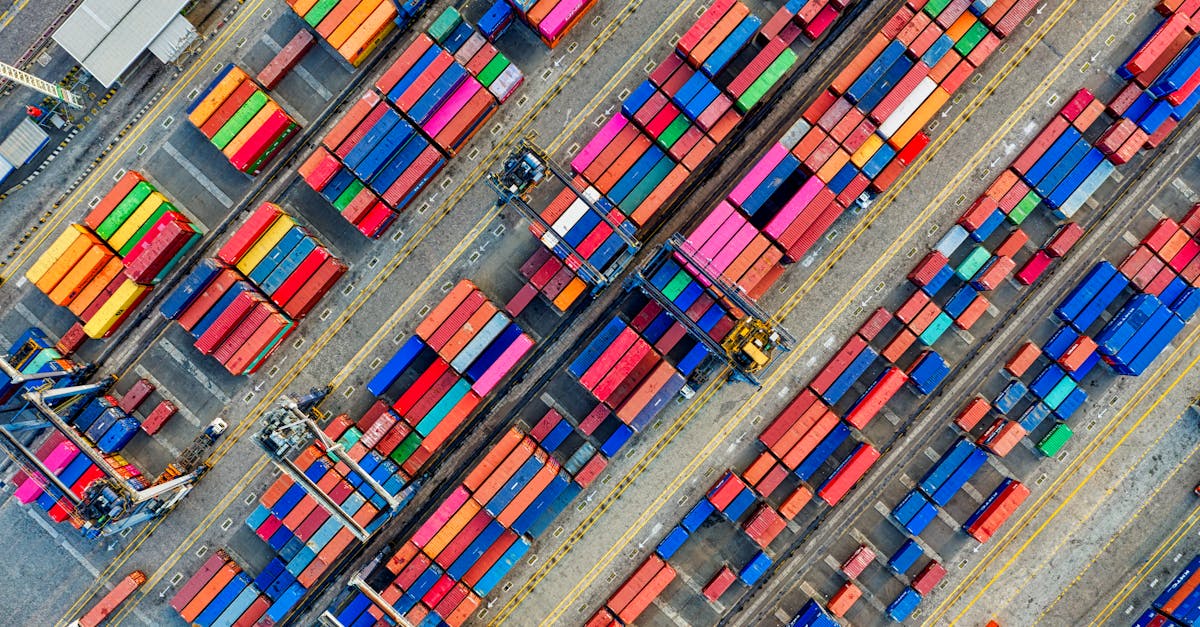
Standards encompass the rules, specifications, testing approaches, and conformity procedures that define the qualities products and services must meet to access a market, covering everything from technical requirements for home appliances and sanitary guidelines for meat to data‑protection practices and private sustainability certifications set by multinational purchasers. By cutting information imbalances and enhancing interoperability, well‑crafted standards can reduce transaction costs, strengthen consumer confidence, and stimulate trade. Yet these same standards may also function, deliberately or not, as obstacles that limit rivals, divide markets, and alter global value chains. Their distributional consequences are significant, as the gains, burdens, and exclusions they…
Read More
What loss and damage means in climate negotiations

Climate Negotiations: Defining Loss and Damage

Loss and damage in international climate talks refers to the harms caused by climate change that go beyond what people, communities, and countries can adapt to. It covers both sudden extreme events (storms, floods, wildfires) and slow-onset processes (sea level rise, desertification, glacial retreat). The concept addresses the residual impacts that remain after mitigation and adaptation efforts — and the responsibility for responding to those impacts.Key dimensions and definitionsEconomic losses: measurable financial costs such as destroyed infrastructure, lost crops, rebuilding expenses, declines in GDP and market disruptions.Non-economic losses: impacts that are hard or impossible to price, including loss of life,…
Read More
Why recycling alone won’t solve plastic pollution

The Bigger Picture: Recycling and Plastic Pollution

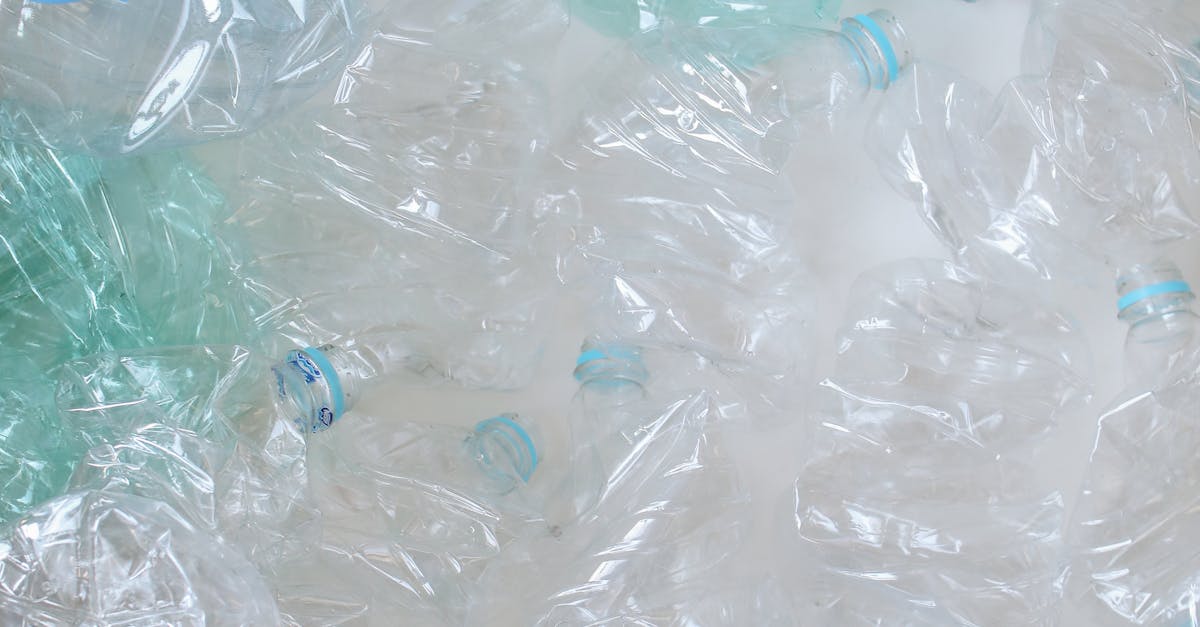
Plastic recycling is frequently portrayed as a universal remedy for plastic pollution, yet the truth is far more nuanced. While recycling plays a meaningful role, it cannot singlehandedly eliminate plastic waste due to technical, economic, behavioral, and structural constraints. This article explores these limitations, presents supporting evidence and examples, and highlights additional strategies that need to accompany recycling to achieve lasting impact.Today’s scale: exploring how production, waste, and the true effects of recycling come togetherGlobal plastic output has climbed to more than 350 million metric tons per year in recent times, and a pivotal review of historical production and disposal…
Read More
What makes a franchise model attractive compared to company-owned growth?

Franchise Growth: Why Businesses Choose It Over Company Ownership

Businesses seeking expansion often face a strategic choice: grow through company-owned locations or adopt a franchise model. While both paths can lead to scale, the franchise model has proven especially attractive across industries such as food service, retail, fitness, and hospitality. Its appeal lies in how it distributes risk, accelerates growth, and leverages local entrepreneurship while maintaining brand consistency.Maximizing Capital Utilization and Accelerating GrowthOne notable benefit of franchising lies in its strong capital efficiency, as a company-owned structure requires the brand to finance real estate, construction, equipment, personnel, and early-stage operating deficits, which can significantly slow expansion.Franchising shifts much of…
Read More
What’s failing in the global plastics response

The Inadequacies of Global Plastic Management

Global efforts to address plastics have delivered limited progress, while numerous challenges persist. Production keeps climbing, waste management remains underfunded, policies lean too much on voluntary measures from industry, and many touted technical solutions fail to confront the underlying drivers. Consequently, plastic pollution continues to intensify, fossil-fuel dependencies deepen, and social and environmental damages grow—most acutely in low- and middle-income countries.Failure 1 — Production continues to rise while policy stays focused on end-of-life stagesThe conversation remains tilted toward waste management and recycling while production of new plastics marches upward. Global production is on the order of hundreds of millions of…
Read More
What happens when countries restrict food exports

Analyzing the Effects of Food Export Limitations

When a country restricts exports of staple foods or key agricultural inputs, the effects ripple across markets, households, governments, and international relations. Export restrictions include outright bans, export licensing, higher export taxes, quantity quotas, and administrative delays. These measures are often intended to protect domestic consumers or stabilize local prices, but they also create consequences that extend beyond national borders and beyond the short term.Mechanisms and Their Prompt Market ImpactReduction in global supply: When one or more exporters limit shipments, the effective global supply falls. For commodities with thin margins between supply and demand, even modest reductions can raise world…
Read More
How tech export controls affect companies and consumers

Export Controls in Tech: A Guide for Companies and Consumers

Tech export controls refer to government-imposed rules that limit how specific technologies may be sold, transferred, or shared across borders, covering everything from hardware components and complete devices to software, source code, and specialized technical expertise. These measures are implemented for reasons tied to national security, economic sanctions, and the protection of human rights, and their impact reaches corporate decision-making, global supply networks, innovation environments, and the everyday choices made by consumers.How export controls operateExport controls work through several common mechanisms:Product and technology classification: governments assign codes or categories (for example, dual-use versus military) that determine which items require a…
Read More
Why food security remains fragile

Food Security: A Precarious Balance

Food security is the condition in which all people, at all times, have physical and economic access to sufficient, safe, and nutritious food. Despite progress in agricultural productivity and declining child mortality in some regions over recent decades, global food security remains fragile. Multiple interacting drivers — environmental, economic, political, social, and technological — continuously undermine availability, access, utilization, and stability of food supplies. The following analysis explains the main causes, illustrates them with cases and data trends, and highlights practical pathways to reduce fragility.Fundamental factors behind fragilityConflict and instability: Armed conflict remains the foremost force behind severe food insecurity…
Read More
Francia: RSE corporativa que impulsa descarbonización y compras con impacto social

The Role of Carbon Capture: Benefits and Drawbacks

Carbon capture is not a single technology or policy; it is a family of approaches that remove carbon dioxide from flue gases or directly from the air and then either store it permanently underground, use it in products, or inject it in ways that temporarily retain CO2. Whether carbon capture helps or distracts depends on purpose, timing, scale, governance, and economics. Below is a clear assessment of the contexts where carbon capture is a constructive tool and where it creates risks of delay, waste, or greenwashing.How carbon capture can helpDecarbonizing hard-to-abate industries: Cement, steel, chemicals, and some high-temperature industrial processes…
Read More