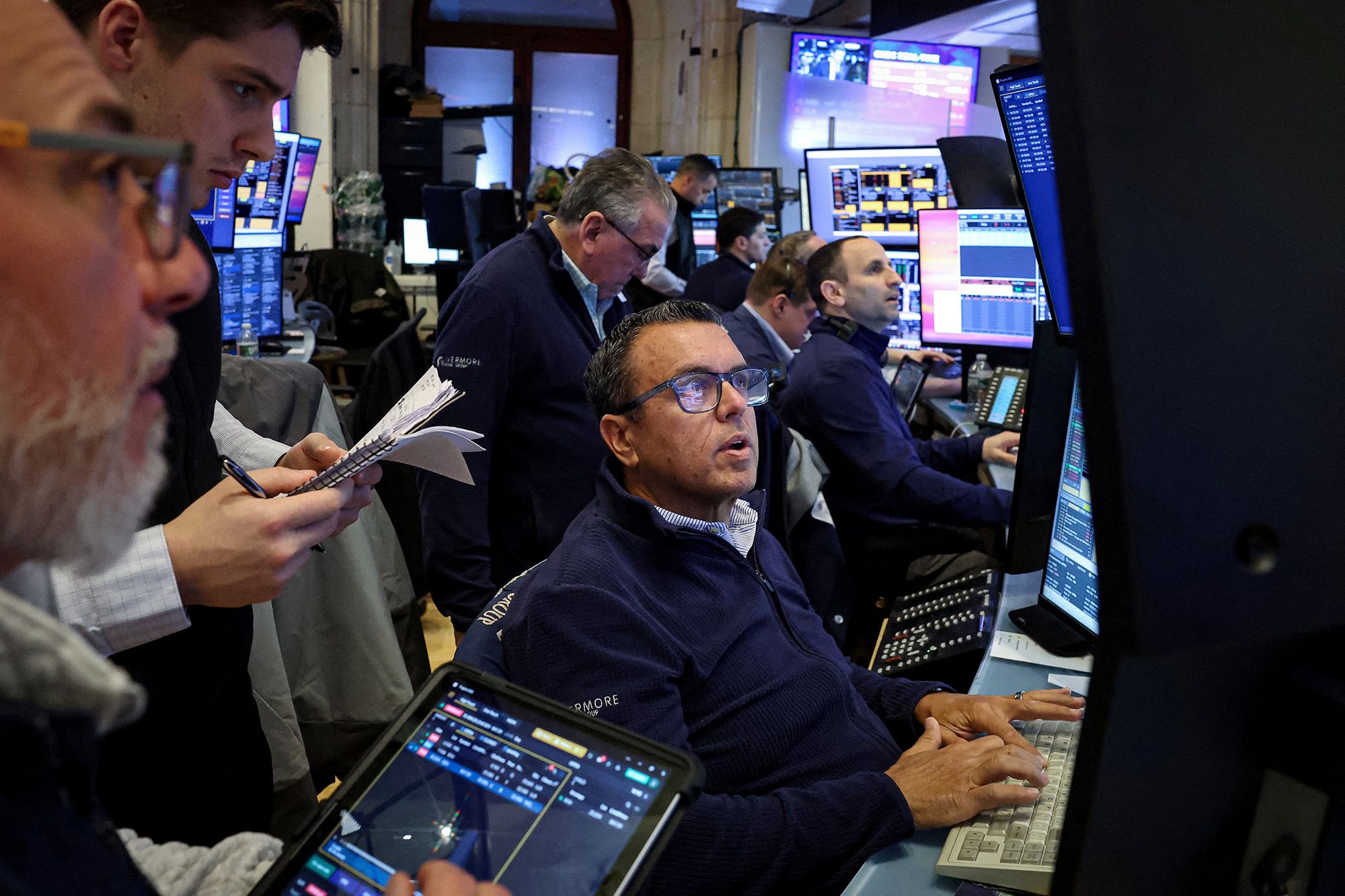

Markets have staged a swift upswing following the recent bout of turbulence, with leading indices regaining ground lost amid geopolitical strains, even as investor confidence persists alongside ongoing global uncertainty.
Over the past two weeks, US equity markets have staged a notable recovery, reversing earlier declines that followed the escalation of tensions between the United States and Iran. This resurgence has brought key benchmarks such as the S&P 500 and Nasdaq back to levels that not only erase previous losses but, in some cases, push them toward new highs. The shift in sentiment marks a significant turnaround from the cautious outlook that dominated markets just a short time ago.
The S&P 500, widely regarded as a barometer of the broader US economy, has experienced a sustained upward trajectory, recording gains in the majority of recent trading sessions. This consistent performance has propelled the index beyond its earlier setbacks, allowing it to surpass its previous peak and reach a new intraday high. The pace of the recovery has been particularly striking given the speed at which markets had previously declined during the height of geopolitical concerns.
This rebound stems from several elements that have shaped investor behavior, with rising optimism over a potential easing of Middle East tensions playing a central role. Although conditions remain unpredictable, even early indications of a possible ceasefire have helped revive risk appetite across financial markets. These signals are being read by investors as evidence that the most severe outcomes might be sidestepped, at least for now.
Geopolitical shifts spark renewed optimism across the market landscape
The improvement in market sentiment can be largely attributed to expectations that the conflict between the United States and Iran may not escalate further. Although no definitive resolution has been reached, the perception of reduced immediate risk has played a key role in stabilizing investor confidence. Financial markets often respond not only to concrete outcomes but also to shifts in expectations, and recent developments have tilted those expectations in a more सकारात्मक direction.
After an early upswing driven by the onset of hostilities, oil prices have gradually settled, reducing some of the strain on global markets. Although energy costs still sit above their pre-conflict norms, this retreat has eased worries about a sustained surge that might otherwise hinder economic expansion and diminish corporate earnings.
The relationship between energy markets and equities plays a crucial role in this scenario, as rising oil prices may elevate expenses for both companies and consumers, potentially cooling overall economic momentum. When those prices settle, even if they remain comparatively elevated, the decrease in volatility can offer investors a steadier outlook, helping foster more favorable market conditions.
At the same time, the ongoing earnings season has added another layer of support to equities. Corporate results and forward-looking guidance have, in many cases, exceeded expectations, reinforcing the view that businesses remain resilient despite external challenges. Positive earnings reports have helped sustain the rally, offering tangible evidence that companies are adapting to the current environment.
A rapid recovery following market correction
The recent rise in equities comes after a stretch of marked weakness earlier in the year, when major indices tumbled in the weeks following the escalation of tensions and the S&P 500 slipped into correction territory, a slide that underscored broad worries about the economic repercussions of a drawn‑out conflict, from strains on global trade to potential disruptions in energy supplies.
However, the market’s subsequent rebound has proven just as rapid, with the Nasdaq showing notable strength as it surges far above its recent lows and edges close to its former peak levels. This swift downturn followed by an equally brisk upswing has become a recognizable pattern in today’s markets, where investors frequently act fast to seize what they view as emerging opportunities.
The concept of “buying the dip” has once again come to the forefront, with market participants stepping in to purchase stocks during periods of weakness. This behavior has contributed to the speed and magnitude of the recovery, as inflows of capital help drive prices higher. While this strategy can be effective in certain conditions, it also raises questions about the sustainability of such rallies.
Trading activity during this period has reflected a mix of optimism and caution. While some indices have posted consistent gains, others have shown more variability, indicating that not all segments of the market are moving in lockstep. This divergence suggests that investors are selectively positioning themselves, balancing the potential for further gains against the risks that remain.
Sentiment indicators signal cautious confidence
Measures of market sentiment offer further perspective on the prevailing climate. Indicators monitoring investor moods and expectations have shifted noticeably, recovering from previous periods dominated by fear. Having hit extreme readings at the peak of uncertainty, these metrics have gradually settled into more neutral ranges, signaling a steadier overall outlook.
Volatility metrics, commonly viewed as indicators of market unease, have likewise eased in recent sessions, and reduced volatility generally signals stronger investor confidence by implying milder price fluctuations and a steadier trading backdrop, a pattern that has strengthened the sense that markets are shifting into a calmer phase despite ongoing underlying risks.
Despite these encouraging signs, some analysts advise restraint, noting that the surge may stem more from optimism than from substantive shifts in the wider economic environment, and the lack of a clear resolution to ongoing geopolitical strains suggests that circumstances could change rapidly, potentially undoing the latest gains.
In addition, certain external factors continue to weigh on the outlook. Energy prices, while lower than their peak levels, remain relatively high, and their impact on consumers is still being felt. Elevated fuel costs can strain household budgets, limiting discretionary spending and affecting overall economic growth.
Disconnect between markets and everyday economy
One of the more notable aspects of the current rally is the apparent disconnect between financial markets and the experiences of many individuals. While stock indices have recovered and, in some cases, reached new highs, everyday economic pressures persist. Higher costs for essentials such as fuel continue to affect consumers, creating a contrast between market performance and real-world conditions.
This divergence underscores how challenging it can be to interpret market behavior, as equity markets tend to incorporate anticipated future conditions rather than immediate circumstances, creating instances where stock values climb even while some areas of the economy encounter difficulties. For investors, grasping this relationship is essential for evaluating how sustainable current market patterns may be.
Retirement accounts and investment portfolios tied to major indices have benefited from the recent rebound, recovering losses incurred during the earlier downturn. This recovery provides some relief for individuals who experienced declines in their savings, though it also underscores the volatility inherent in financial markets.
At the same time, the broader economic picture remains uncertain. Developments in the Middle East continue to evolve, and key issues, such as trade routes and diplomatic negotiations, remain unresolved. These factors contribute to an environment in which optimism must be balanced with careful consideration of potential risks.
Ongoing uncertainty shapes future outlook
Looking ahead, the trajectory of financial markets will likely depend on how geopolitical and economic factors unfold. The recent rally demonstrates the market’s capacity to adapt quickly to changing conditions, but it also serves as a reminder of the fragility of that optimism. Without a clear resolution to ongoing tensions, the possibility of renewed volatility cannot be ruled out.
Investors are closely monitoring developments such as diplomatic talks and strategic decisions that could influence the direction of the conflict. Any significant change in these areas has the potential to impact market sentiment, either reinforcing the current trend or triggering a reversal.
In this context, maintaining a balanced perspective is essential. While the recovery in equities is encouraging, it should not be viewed in isolation from the broader environment. Economic indicators, corporate performance, and geopolitical developments all play a role in shaping market dynamics, and their interplay will determine the path forward.
The latest upswing in US stocks highlights a mix of steady resilience and renewed optimism, though lingering uncertainty still casts a shadow. As the markets move through this intricate environment, their trajectory will largely depend on how effectively they absorb and react to emerging information.