
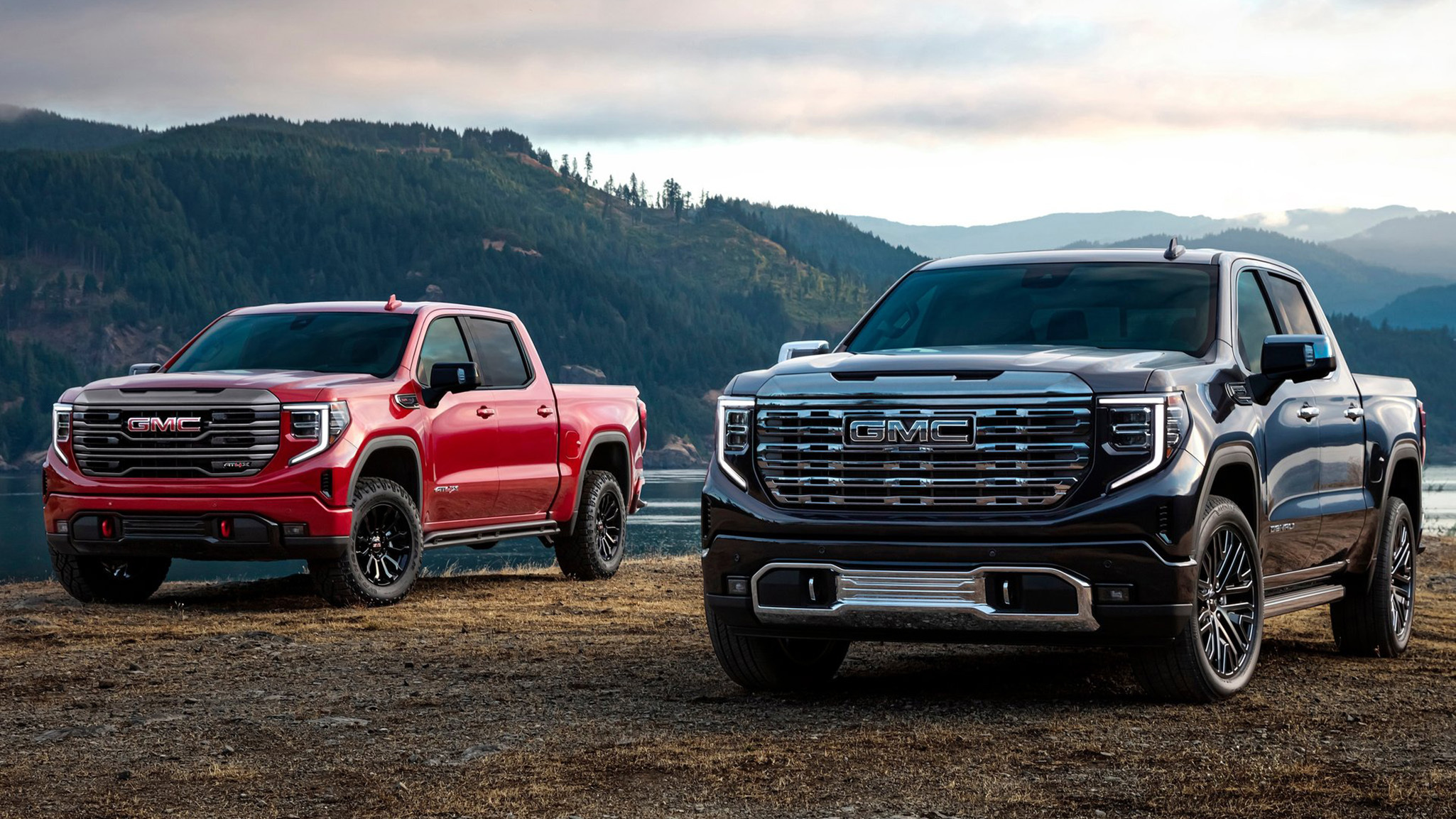

For many Americans, owning a new car under $20,000 has become a thing of the past. As entry-level models disappear from dealer lots, the average cost of a new vehicle has skyrocketed, leaving lower-income buyers with fewer options and reshaping the automotive landscape.
In 2024, US shoppers could still find a small selection of vehicles listed for under $20,000, but today not a single new model falls beneath that price point. Recent estimates from Kelley Blue Book indicate that buyers paid an average of $50,326 for a new car in December 2025, setting a new record, while Edmunds reported a slightly lower yet still striking average of $49,466. Together, these numbers underline a broader shift in the market, as the disappearance of budget-friendly options drives the typical cost of new vehicles well beyond what many buyers can reasonably manage.
The rise in average prices isn’t solely driven by the growing appeal of bigger or more upscale models; it also stems from the shrinking availability of low-cost alternatives. The 2025 Nissan Versa, which had hovered near $18,000, stood as the final budget-friendly option until Nissan ended its production in December 2025. Entry-tier vehicles such as the Mitsubishi Mirage and the Kia Forte had already exited the market in 2024, leaving buyers with very few economical selections.
Key forces shaping today’s affordability crunch
Several forces have converged to drive the price of new cars upward. Automakers face higher production costs due to tariffs, supply chain disruptions, and rising material prices. President Donald Trump’s 25% tariffs on imported vehicles and auto parts contributed to the rising costs, particularly affecting cars produced abroad with thinner profit margins. Many manufacturers absorbed these extra expenses to avoid losing customers, but the most affordable models could not survive economically.
The pandemic’s lingering impact still shapes market prices, as supply bottlenecks, semiconductor scarcities, and transportation hurdles have redefined the auto sector, driving costs upward and setting a lasting price floor above pre-pandemic norms. Erin Keating, executive analyst at Cox Automotive, notes that these forces have permanently transformed vehicle pricing, introducing enduring changes that influence consumers across all income levels.
Consequently, the most affordable new car on sale in early 2026 is the Hyundai Venue, which starts at $20,550, and although it comes nearest to pre‑pandemic affordability, its cost remains well above the entry-level options of just a few years ago, adding further strain on budget-conscious buyers.
The implications of a K-shaped marketplace
The disappearance of affordable vehicles underscores broader economic trends in the United States. The “K-shaped” recovery has left lower- and middle-income households struggling, while wealthier buyers continue to spend freely. Households earning less than $75,000 accounted for just 26% of new car sales in 2025, down from 37% in 2019. Meanwhile, buyers with annual incomes above $150,000 now represent over 40% of new car purchases, up from 29% in 2019.
This divide appears clearly in how consumers act, with many lower-income buyers choosing pre-owned cars or keeping their vehicles for extended periods, while higher-income purchasers increasingly select larger SUVs and upscale options; together, these patterns underscore the expanding separation between affluent shoppers and those under financial strain, emphasizing the mounting difficulties automakers face when attempting to attract the market as a whole.
Ivan Drury, director of insights at Edmunds.com, notes that the absence of entry-level vehicles has made virtually every new car on the market a “luxury purchase” in practical terms. Buyers are now forced to stretch their budgets, often financing vehicles far beyond what would have been considered affordable just a few years ago. Monthly payments that previously covered a mid-size car may now only cover a compact vehicle, illustrating the rising burden on consumers.
Impacts on dealerships and consumers
The shrinking supply of affordable cars has consequences not only for buyers but also for dealerships. Car dealers increasingly face a customer base skewed toward higher-income consumers, while lower-income buyers are pushed out of the market entirely. This limits the pool of potential buyers and creates a competitive environment where automakers must balance profitability with accessibility.
For Americans unable to purchase a new vehicle, transportation difficulties intensify as limited access to dependable cars can disrupt commuting, child care, and everyday tasks, particularly in areas without strong public transit, while many people now rely on used vehicles with their own expenses and uncertainties or are forced to keep aging cars running longer, adding to maintenance demands.
Automakers are countering the tighter market by rolling out incentives designed to draw buyers. Growing numbers of discounts, financing promotions, and trade-in bonuses aim to entice consumers who might otherwise choose used models just one or two years old. Analysts note that while these incentives could slowly relieve some affordability strain, they are unlikely to return entry-level prices to what they were before the pandemic.
What prospective buyers may anticipate
Industry experts predict a modest decline in average prices for 2026, with estimates suggesting a drop of around $500. While this represents a step toward more reasonable pricing, the underlying shortage of low-cost vehicles remains a challenge. Buyers seeking new cars may still face limited options and higher monthly payments, requiring careful budgeting and consideration of financing terms.
The auto industry’s pivot toward more lucrative, premium models raises doubts about how many budget-friendly vehicles will remain available, creating an opening that rival brands could seize by appealing to buyers who value affordability over loyalty. However, this shift toward higher-priced options keeps narrowing access to new cars for much of the market, particularly for households with lower incomes.
Tyson Jominy, senior vice president of data and analytics at J.D. Power, notes that buyers are now focusing more on managing their monthly payments than on the sticker price itself, a change that highlights evolving consumer priorities and financial pressures while reinforcing how crucial financing strategies have become in today’s market.
Ultimately, the disappearance of sub-$20,000 vehicles is a symptom of larger economic forces: rising production costs, tariffs, post-pandemic supply chain challenges, and the widening gap between wealthy and lower-income Americans. While incentives and modest price declines may provide relief for some, entry-level vehicles are likely to remain scarce in the foreseeable future, reshaping the landscape of car ownership in the United States.
Consumers, dealerships, and policymakers must now move through this landscape with caution, weighing affordability, accessibility, and the sector’s financial sustainability, and for the moment, the period of genuinely low-priced new vehicles seems to have ended, pushing buyers to adjust to a marketplace shaped by costlier models and fewer alternatives.