

Marco Rubio and the U.S.’s high-risk wager for Venezuela in the post-Maduro era
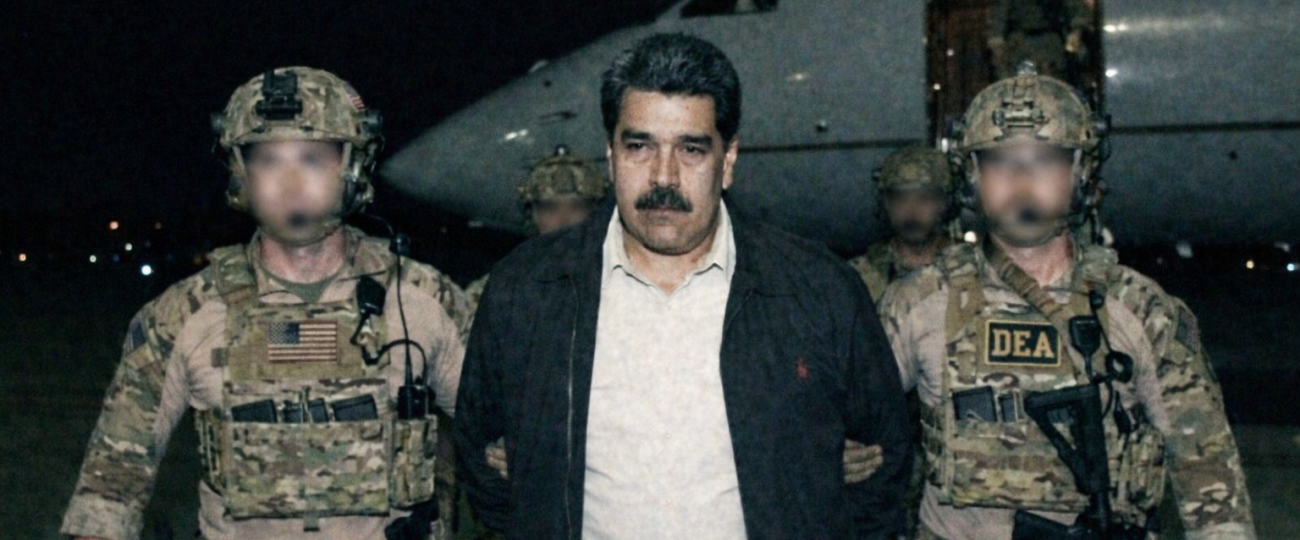
The dramatic capture of Nicolás Maduro marked a turning point in U.S.–Venezuela relations. At the center of that moment stood Marco Rubio, whose influence inside the Trump administration has reshaped Washington’s approach to Caracas and raised profound questions about what comes next for a fractured nation.
On a January night charged with symbolism and consequence, U.S. military operations against Venezuela unfolded far from Washington’s traditional command centers. From Mar-a-Lago, President Donald Trump followed the raid that led to the capture of Nicolás Maduro, while beside him stood Secretary of State and National Security Advisor Marco Rubio. The scene captured more than a tactical operation; it reflected a consolidation of power and trust around a small group of advisers who have driven U.S. policy toward Venezuela with unusual intensity and secrecy.
For Rubio, the moment carried personal, political, and strategic significance, intertwining his background and beliefs. The son of Cuban immigrants and a figure molded by South Florida’s exile circles, he has consistently regarded the Maduro government as a destabilizing actor whose influence spills far beyond Venezuela’s borders. Over the years, his language gradually shifted into concrete measures, leading to a position that now places him at the center of shaping U.S. engagement in Venezuela’s trajectory. What remains unresolved is whether that engagement will stay limited and transactional or evolve into something extended and deeply transformative.
A professional path gradually leading to Venezuela
Rubio’s rise within the Trump administration has been marked by an accumulation of responsibilities rarely held by a single official. As both top diplomat and national security advisor, he operates with a level of access that allows him to bypass traditional bureaucratic channels. Venezuela has become the clearest expression of that influence. According to officials familiar with the process, Rubio was instrumental in shaping the strategy that isolated Maduro diplomatically, tightened economic pressure, and ultimately justified military action under the banner of counter-narcotics and regional security.
This focus did not emerge overnight. Throughout his Senate career, Rubio consistently framed Maduro as a “narco-dictator” whose government blurred the line between state authority and criminal enterprise. Sanctions, international isolation, and calls for accountability defined his approach. What has changed is the degree of control he now wields over execution, moving from advocacy to direct management of policy outcomes.
Trump’s declaration that Rubio would take charge of Venezuela following Maduro’s capture was deliberately ambiguous yet telling, conveying trust in Rubio’s judgment while avoiding specifics about authority, legitimacy, or timeframe, and prompting both supporters and opponents to question how such a setup would actually operate and whether it suggested a shift in regime despite earlier denials.
Planning behind closed doors
In the months preceding the operation, decision-making about Venezuela became concentrated within a small inner circle at the White House. Rubio worked in close coordination with Deputy Chief of Staff Stephen Miller, establishing a partnership shaped by their aligned hardline instincts. Although their official roles differed, both endorsed a forceful stance that cast Venezuela less as a diplomatic matter and more as a security risk associated with drug trafficking and migration pressures.
This collaboration reshaped internal debates. Initial conversations reportedly viewed Venezuela mainly through the prism of deportations and border control, but over time the notion that Maduro’s government operated as a center for criminal networks gained momentum, recasting the matter as a direct national concern. That evolution supplied the policy rationale for increasing the military footprint in the region and carrying out strikes on suspected smuggling sites.
The process sidelined many traditional actors. Career diplomats, regional experts, and even some senior State Department officials found themselves informed after decisions were made rather than consulted beforehand. Supporters argue this approach reduced leaks and accelerated action; critics counter that it increased the risk of strategic blind spots and legal vulnerabilities.
Questions of governance and legitimacy
With Maduro out of the picture, focus has shifted to what comes next, and the presence of interim leaders once tied to the former regime complicates any portrayal of a clean break toward freedom or democratic change. U.S. officials have stressed leverage over cooperation, keeping economic pressure in place—especially through control of oil revenues—as a tool to steer future actions.
Rubio has articulated this strategy as conditional engagement. Sanctions relief and cooperation, he argues, will depend on tangible actions that align with U.S. priorities: curbing migration flows, dismantling drug trafficking networks, and limiting the influence of rival powers. Democratic reforms, while acknowledged as desirable, appear secondary in the immediate calculus.
Former diplomats express unease with this sequencing. Venezuela’s size, complexity, and institutional decay make governance a daunting task even under favorable conditions. Attempting to impose order without a clear framework or on-the-ground presence risks prolonging instability. The absence of a U.S. diplomatic mission further complicates coordination, accountability, and reconstruction efforts, whether focused on oil infrastructure or broader civil administration.
Rubio serving as the administration’s lead negotiator
In Congress, Marco Rubio has emerged as the leading figure articulating and justifying the administration’s decisions, and lawmakers characterize him as poised, assured, and highly versed in the workings of the Senate, often speaking off the cuff rather than relying on scripted notes, which lends him an air of authority over both the facts and the broader strategic landscape.
That fluency has not shielded him from criticism. Some lawmakers argue that briefings prior to the operation downplayed the likelihood of military action or regime change, creating a gap between assurances and outcomes. Questions about international law, sovereignty, and precedent continue to surface, particularly among Democrats who view the raid as destabilizing.
Nevertheless, Rubio’s explanations appear to resonate with many Republicans, especially those who share his assessment of Venezuela as a security threat rather than a purely diplomatic challenge. For them, the capture of Maduro represents an opportunity to reset relations under terms more favorable to U.S. interests.
Background and political beliefs
Observers often trace Rubio’s intensity on Venezuela to his upbringing in Miami, where narratives of exile, authoritarianism, and lost homelands are part of daily political life. Cuban, Venezuelan, and Nicaraguan communities have shaped a worldview in which leftist authoritarian regimes are seen not as distant abstractions but as forces with direct impact on American communities.
This perspective sets Rubio’s method apart from more theoretical ideological hawkishness, with supporters claiming it anchors his stance in real-world experience and a sense of moral resolve, while critics contend it restricts viable options by favoring confrontation over compromise and limiting opportunities for more nuanced engagement with Venezuela’s internal dynamics.
Notably, Rubio’s stance toward the Venezuelan opposition has shifted. Once an outspoken supporter of figures such as María Corina Machado and Edmundo González, he has recently avoided committing to their role in any future government. This recalibration suggests a move away from symbolic alignment toward a more transactional assessment of who can deliver stability and cooperation.
The challenge of managing multiple fronts
Despite Trump’s confidence, the notion that Rubio can oversee Venezuela’s day-to-day affairs while managing global diplomatic responsibilities strains credibility. Former officials emphasize the need for delegation, specialized envoys, and interagency coordination. Without these structures, even a limited agenda focused on oil and security could overwhelm existing capacities.
Calls to appoint a special envoy underscore the scale of the task ahead. Rebuilding institutions, restoring basic services, and navigating internal power struggles require sustained attention and expertise. The dismantling of development agencies and the absence of experienced personnel further complicate prospects for long-term engagement.
Meanwhile, interim Venezuelan leaders have sent mixed signals—condemning the operation one day, proposing cooperation the next. Rubio has stated that Washington will judge them by actions rather than rhetoric, keeping pressure firmly in place until measurable changes occur.
A moment of opportunity or a prolonged gamble
Supporters of the administration frame the current moment as a chance to “turn the page” in Venezuela, offering conditional cooperation as a path toward stability. Skeptics warn that without a clear exit strategy, the United States risks entanglement in a complex political landscape where leverage can quickly turn into liability.
Rubio stands at the center of this uncertainty. His ascent reflects trust earned through loyalty and persuasion, but it also concentrates accountability. If Venezuela stabilizes and aligns more closely with U.S. interests, his approach may be vindicated. If not, the operation could become a case study in the limits of coercive diplomacy.
As events continue to unfold, one reality is clear: the capture of Nicolás Maduro did not conclude the Venezuela question. It merely shifted it into a new, more ambiguous phase—one in which Marco Rubio’s judgment, priorities, and capacity to adapt will shape not only U.S. policy, but the future of a nation still searching for its way forward.
This story has been updated with additional information extracted from CNN.


