
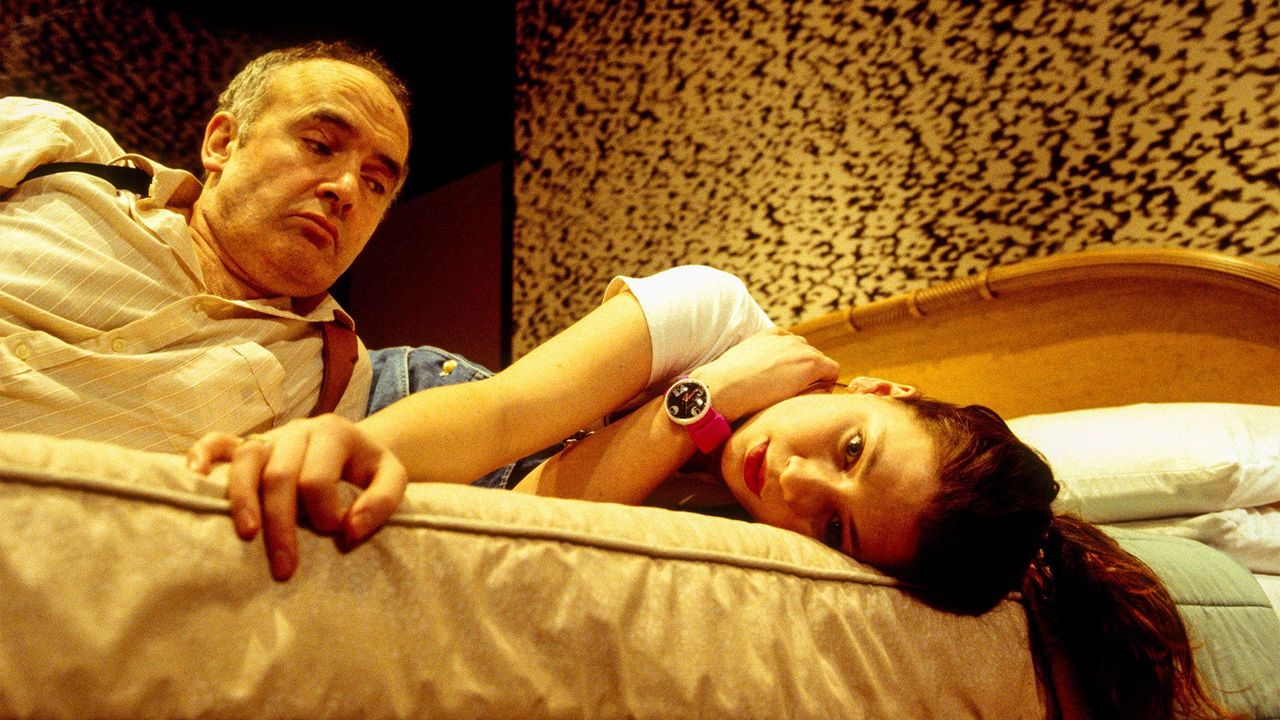

In the 1990s, the theatre world underwent a dramatic shift, largely influenced by the plays of Sarah Kane. Known for her raw, uncompromising exploration of human suffering, Kane’s work broke conventions, challenged societal norms, and sent shockwaves throughout the theatre community. Her plays, which explored themes of violence, despair, and mental anguish, became both a source of controversy and a benchmark of artistic innovation. As one of the most influential playwrights of her generation, Sarah Kane not only transformed the way theatre was perceived but also how it could impact audiences emotionally and intellectually.
Kane’s arrival in the theatrical world was truly groundbreaking. Prior to her influence in the early 1990s, British theatre was largely dominated by realism and social narratives, themes deeply rooted in post-war traditions. However, during her brief career, Kane transformed the medium, challenging norms with each production. Her plays are frequently considered provocative, engaging, and profoundly disquieting, yet they hold a compelling emotional intensity. At a period when theatre often aimed to depict daily existence and political issues, Kane redirected attention to the internal conflicts of the human mind, delving into powerful emotional territories that many had previously shied away from.
Kane’s debut breakthrough, Blasted (1995), represented a pivotal moment in modern British drama. The production premiered at the Royal Court Theatre, inciting astonishment, backlash, and critical praise. Its depiction of explicit brutality, both physical and sexual, resonated deeply with viewers and critics alike. Opinions among critics were split; some praised Kane for her insight into the bleakest sides of human nature, while others criticized the play as excessive and harmful. Regardless of differing opinions, Blasted revolutionized the stage, paving the way for innovative theatrical expressions.
The debate over Blasted wasn’t just due to its disturbing elements but also its unfiltered truthfulness. Kane decided against making her characters’ lives tidier or more palatable, opting to depict them in their most exposed and shattered forms. This bold depiction of human suffering and her dismissal of conventional storytelling distinguished her from her peers and secured her as a voice that demanded attention. Observers highlighted that her creations weren’t meant to soothe but to challenge, leading to a profoundly intense experience that prompted many in the audience to rethink their own views on ethics and human nature.
Following Blasted, Kane’s subsequent works further pushed the boundaries of what was acceptable in theatre. Her plays often involved minimalist settings, fragmented dialogue, and abstract forms that eschewed traditional narrative techniques. In Phaedra’s Love (1996), Kane reimagined the Greek tragedy, centering on a character driven by obsessive, destructive lust. Here, she explored the darker aspects of human desire and the power of unbridled emotion. The play’s portrayal of sexual obsession and violence again attracted critical debate, but it reinforced Kane’s belief in the importance of exploring taboo subjects through theatre.
Her 1998 piece, Crave, showcased a further shift from the usual. As a stark and poetic work, Crave lacked a conventional storyline or linear sequence. Rather, it was composed of fragmented monologues depicting the disconnected inner worlds of its characters. These voices, symbolizing longing, loss, and emotional turmoil, resonated with a generation navigating the intricacies of contemporary life in a postmodern era. The play’s abstract style was unsettling to some, but it also provided a new, emotionally powerful view on the experience of isolation and desire.
One of the most significant characteristics of Kane’s creations is their unreserved intensity. While numerous playwrights from that era aimed to amuse or provide social insights in more digestible manners, Kane’s theatrical works compelled the audience to confront the most unsettling sides of human nature. Her readiness to explore the extremes of human distress was not a form of nihilism but rather a way to examine the limits of human perseverance and feelings. Via her productions, she prompted reflections on the delicate nature of the human soul and the potential for both devastation and strength.
Kane’s tragic death in 1999 at the age of 28 marked a profound loss for the world of theatre. Despite her brief career, her legacy remains influential, and her work continues to resonate with playwrights and theatre-makers. Her exploration of violence, mental illness, and the human psyche laid the groundwork for future generations to explore these themes with greater depth and honesty. Kane’s unique voice in theatre became a touchstone for playwrights who sought to push beyond the conventions of realism and explore the emotional and psychological extremes of their characters.
One of the most enduring effects of Sarah Kane’s dramas is their capacity to evoke intense emotional reactions. Through astonishment, unease, or marvel, her productions persist in defying the audience’s anticipations of theatrical possibilities. During the 1990s, amid swift global transformations, Kane’s dramas provided a reflection of society’s more somber elements, compelling spectators to face unsettling realities about human existence.
The influence of Kane’s creations reached well past her own era. Playwrights, directors, and performers who engaged with her productions frequently reevaluated how theatre might be leveraged to delve into the toughest facets of existence. Her contribution to modern drama is immense, as she transformed the dialogue about the purpose of performance in tackling controversial topics. Kane’s enduring legacy is felt within the theatrical circle and beyond, as her artistic contributions continue to motivate daring, uncompromising art that explores challenging inquiries about the human experience.
Sarah Kane’s theatrical works were not just provocative; they were groundbreaking. By moving away from conventional structures and questioning the norms of her era, she permanently changed the realm of modern theatre. Although her life was sadly brief, her creations remain as proof of art’s ability to challenge, unsettle, and finally change how we perceive ourselves and one another. Ultimately, Kane’s creations made a significant impact during the 1990s, not due to their intensity, but because they provided a novel perspective on viewing the world—one that required sincerity, openness, and emotional richness.