
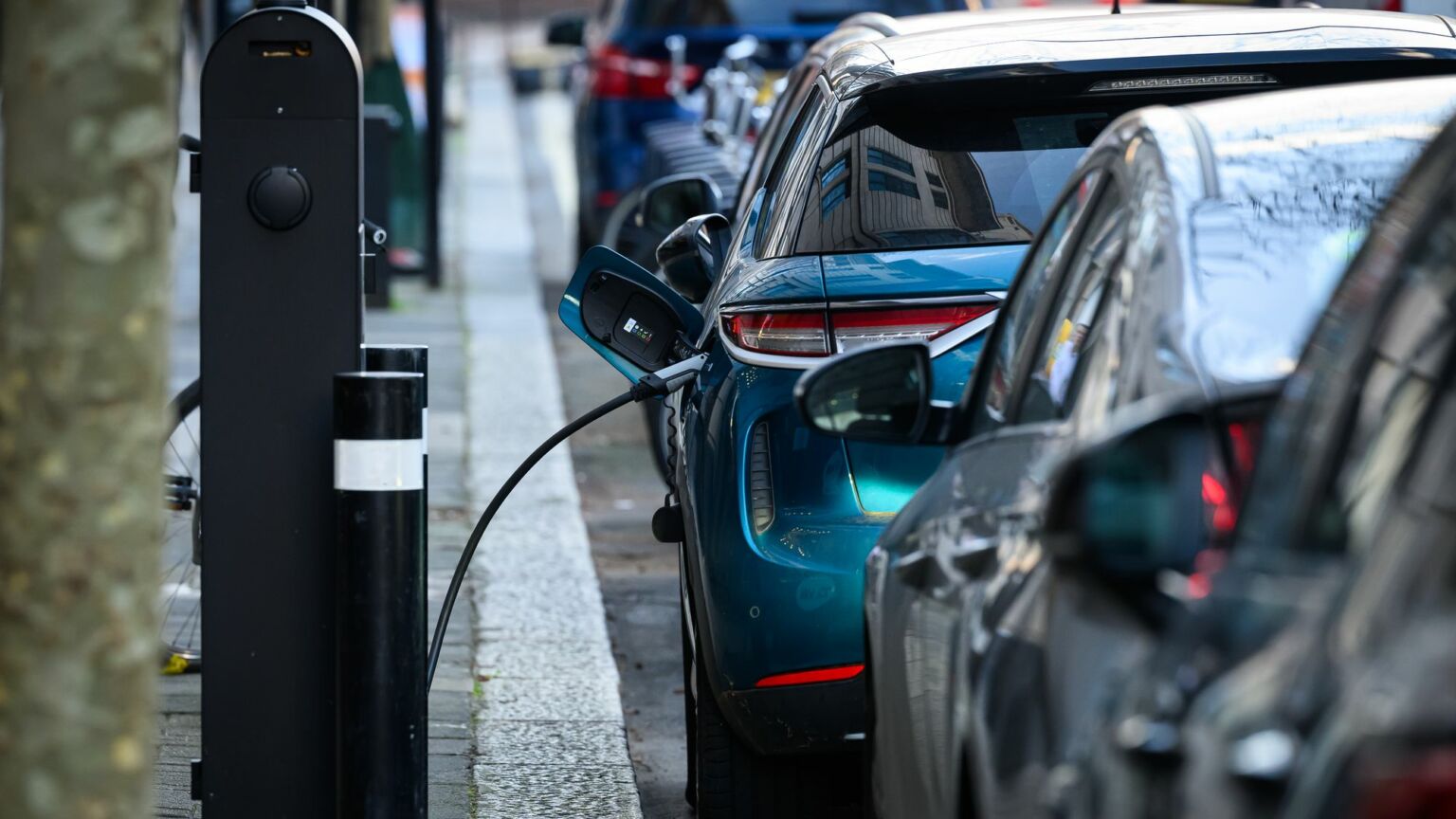

The government of the UK has reiterated its dedication to making electric cars more affordable, revealing strategies to lower initial expenses for buyers. This initiative, as part of a wider plan to promote the switch to low-emission transportation, arises amidst increasing pressure to achieve environmental goals and assist drivers in moving away from gasoline and diesel vehicles.
A minister from the government mentioned not long ago that a variety of policy steps are being evaluated to make EVs more accessible to a broader section of people. This announcement highlights an increasing awareness that, although electric vehicles provide lower operational expenses and eco-friendly advantages, their high upfront purchase costs are still a major obstacle for numerous buyers.
Over the past decade, the UK has steadily increased its support for EV adoption through various schemes, including grants, tax incentives, and investment in charging infrastructure. However, with the 2035 deadline looming to end the sale of new petrol and diesel cars and vans, ministers are now focused on expanding affordability as a key lever for accelerating adoption.
One of the core elements being discussed is the potential return or expansion of financial incentives for EV buyers. While the previous plug-in car grant was phased out in 2022, policymakers are now reviewing alternative funding models that could directly reduce the purchase cost or offer savings through tax breaks or loan support. These changes may also be designed to particularly assist lower-income households and small businesses, which have historically found it more difficult to afford EVs despite their long-term savings.
The minister’s statement also emphasized the role of competition and market growth in lowering prices. As more manufacturers increase production of electric vehicles and a broader variety of models enter the market—including more compact, budget-friendly options—costs are expected to decline naturally. Advances in battery technology, economies of scale, and streamlined manufacturing processes are all contributing factors that industry experts believe will make EVs increasingly affordable within the next few years.
Beyond individual car ownership, the government is also encouraging fleet operators, local authorities, and businesses to invest in electric alternatives. By supporting large-scale procurement and fleet conversions, the government hopes to increase market demand, which can help bring prices down further for consumers across the board.
Infrastructure enhancements continue to be a concurrent priority. Making sure that charging stations are accessible, dependable, and fairly distributed both in cities and countryside areas is crucial for fostering public trust in electric vehicles. Although the UK currently boasts thousands of public charging locations, uneven distribution and sluggish implementation in certain regions still pose hurdles to acceptance. The government has pledged more resources for charging infrastructure and is collaborating with private entities to broaden and update the network.
Environmental advocacy groups have embraced the minister’s commitment, highlighting that cost accessibility remains one of the final obstacles for widespread EV adoption. Despite typically lower operating expenses for electric vehicles—due to lower electricity prices than gasoline and fewer maintenance demands—the considerable initial expense often discourages buyers mindful of budget constraints. Advocates contend that ensuring EVs are competitively priced at purchase is essential for creating a fair environment and guaranteeing that the shift to greener transportation is equitable and inclusive.
Groups within the automotive sector have similarly welcomed the announcement, yet they persist in urging the government to offer enduring assurance in their policies. Companies and sellers need reliable circumstances to invest in innovative technology, enhance production, and adjust their business models to the shift towards electric vehicles. A well-defined and constant plan regarding incentives, infrastructure, and regulations will assist them in planning more efficiently and in providing vehicles that fulfill environmental and consumer demands.
In addition to direct consumer incentives, some experts are advocating for reforms in the used EV market. By supporting the development of a robust second-hand electric car sector—through battery certification schemes, consumer education, and financing options—the government can help ensure that affordable EV options are available beyond new car buyers. This is especially important for rural communities and younger drivers, who often rely on the used car market for mobility.
Financial institutions also have a role to play. Several banks and lenders are beginning to tailor loan and lease products specifically for electric vehicles, sometimes offering better rates or bundled benefits such as free charging credits. Partnerships between government and the financial sector could further ease the cost burden for new buyers, particularly during a time of broader economic uncertainty and inflationary pressure.
The renewed emphasis of the government on making EVs more accessible aligns with its overall net-zero strategy and Clean Growth initiatives. Transportation continues to be one of the major sources of greenhouse gas emissions in the UK, and a rapid shift to electric vehicles is considered crucial for meeting the country’s climate objectives. By eliminating financial obstacles and investing in necessary infrastructure, officials aim to accelerate progress and gain public backing for the transition.
Public sentiment around EVs continues to evolve. While early adopters have largely embraced the technology, surveys show that many potential buyers remain hesitant, citing concerns over range, charging convenience, and costs. Efforts to lower purchase prices are therefore not only about accessibility but also about signaling a broader commitment to long-term investment and support.
Anticipating the future, the effectiveness of promoting affordability will hinge on seamless cooperation among government entities, regional administrations, industry participants, and community groups. It will be vital to ensure that funding processes are open, reachable, and fair, along with providing clear communication to citizens regarding the advantages and truths of owning electric vehicles.
The government’s current promise represents progress in a positive direction. With electric cars becoming more crucial in the future of transportation, initiatives that enhance their accessibility will significantly influence environmental results and economic prospects. By prioritizing affordability in its transport plan, the UK demonstrates its commitment to making the path to decarbonization available to everyone.